

- Prix ordinaire
- $19.99
- Prix soldes
- $19.99
- Prix ordinaire
- $19.99
Épuisé
- Prix unitaire
- par
Frais d'expédition calculés lors du paiement.

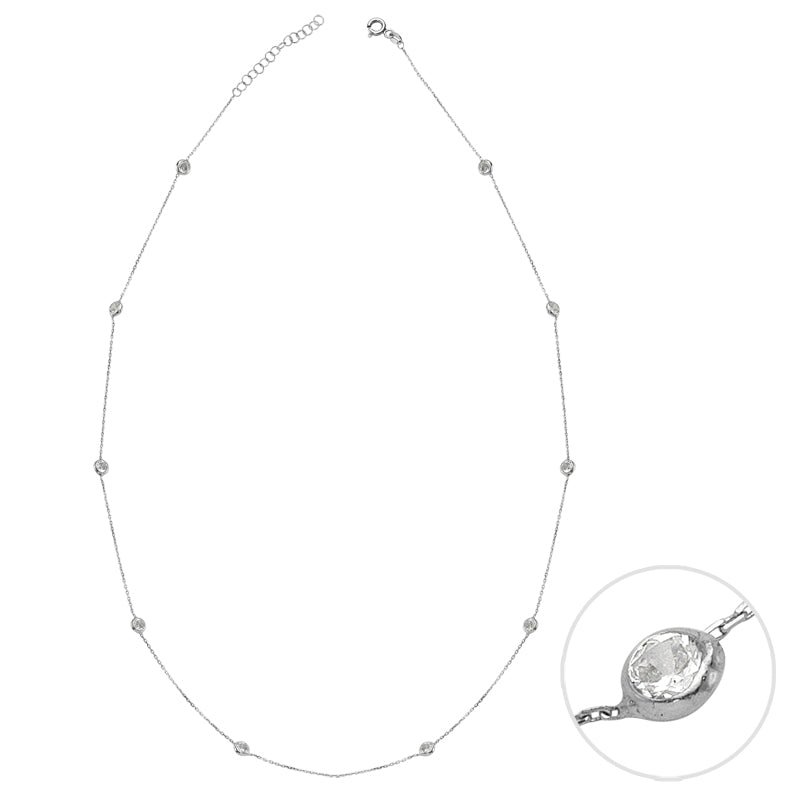
There's something about a perfectly layered necklace stack that looks effortless — like the person wearing it just threw it on. But anyone who's tried to pull off this look knows it takes a little intention. The wrong combination of lengths, metals, or pendant sizes creates a tangled, cluttered mess. The right combination creates something that looks polished, personal, and entirely your own.
This guide breaks down exactly how to layer necklaces like a pro: which lengths work together, how to mix metals without chaos, how to choose pendants that complement rather than compete, and how to style a stack for different occasions. Whether you're starting with one necklace or building on a collection you already have, these principles will transform the way you wear necklaces.
Length is the single most important factor in a layered necklace look. If two necklaces sit at the same point on your chest, they'll tangle constantly and visually merge into one cluttered piece. The goal is distinct visual separation between each layer.
The classic layering formula uses necklaces with at least a 2-inch difference in length between each piece. A standard starting stack might look like: a 14–16 inch choker or collar necklace, an 18-inch mid-chest necklace, and a 22–24 inch longer piece. Three distinct points on your neckline, each with its own visual lane.
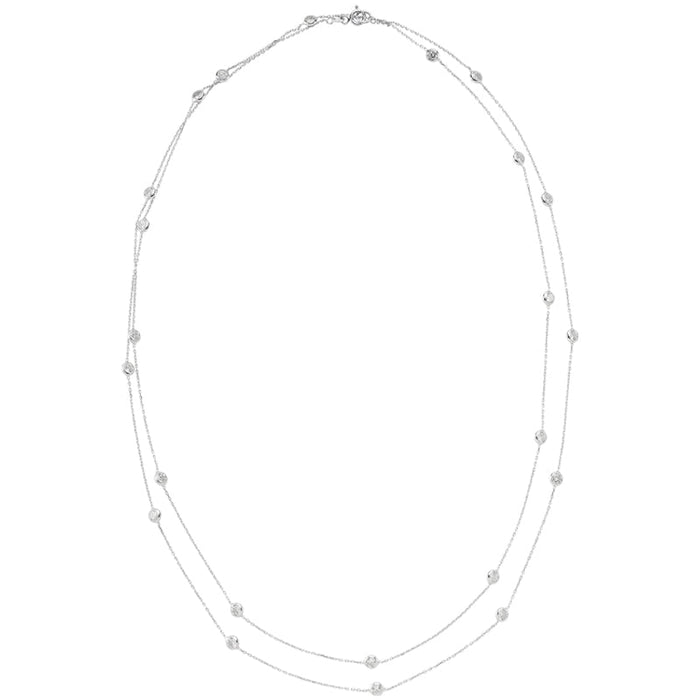
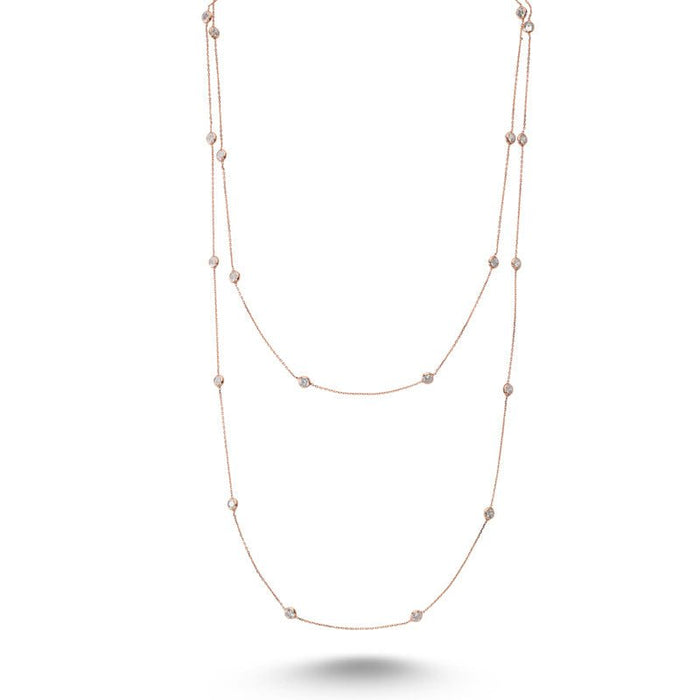
Common necklace lengths: 14 inches sits at the base of the neck (choker territory), 16 inches sits just below the collarbone, 18 inches falls at the mid-chest, 20–22 inches hits at or just below the bust, and 24+ inches creates a long, dramatic drop.
Two to four necklaces is the sweet spot for most people. Two necklaces create a clean, intentional look. Three is the classic stacked look. Four is a bold choice that works beautifully with minimal outfits. Five or more crosses into maximalist territory.
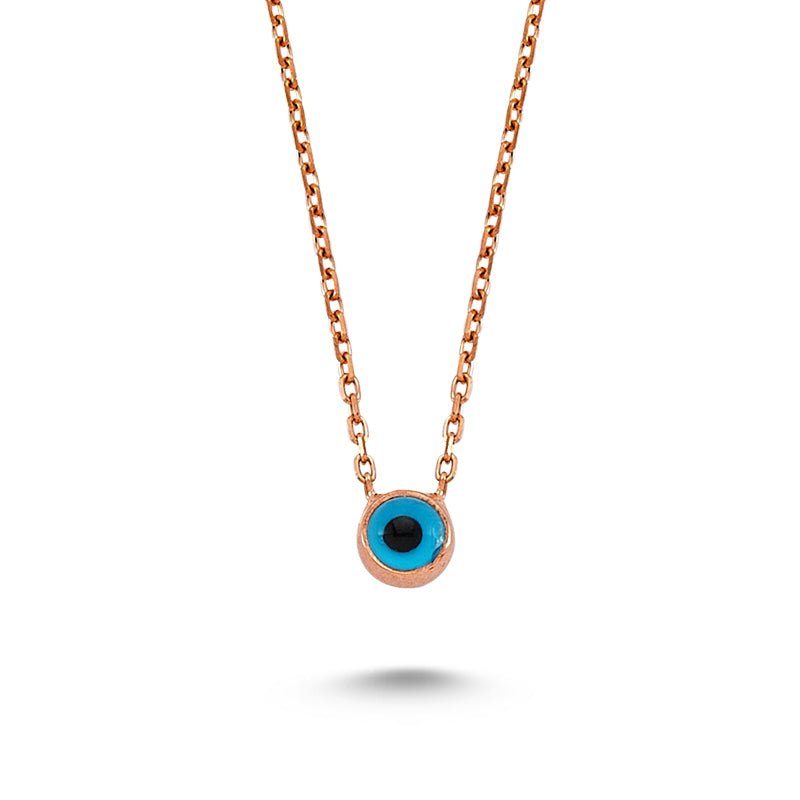
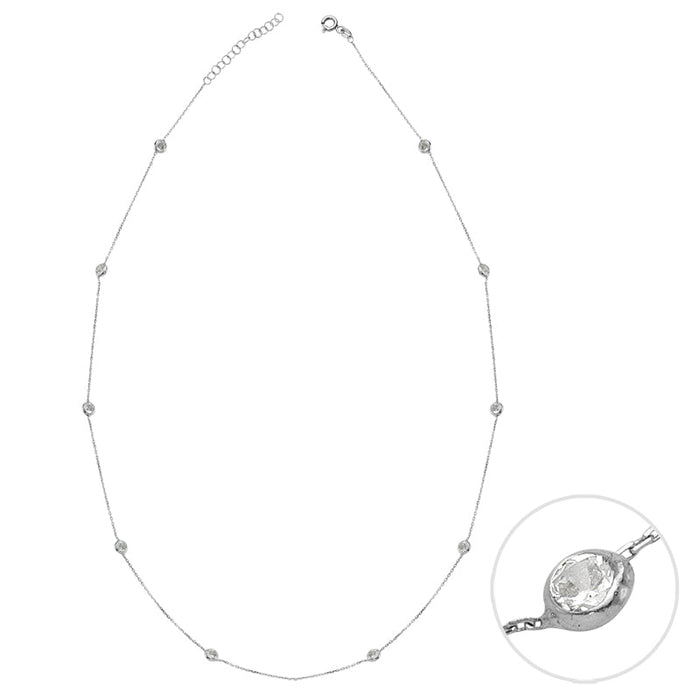
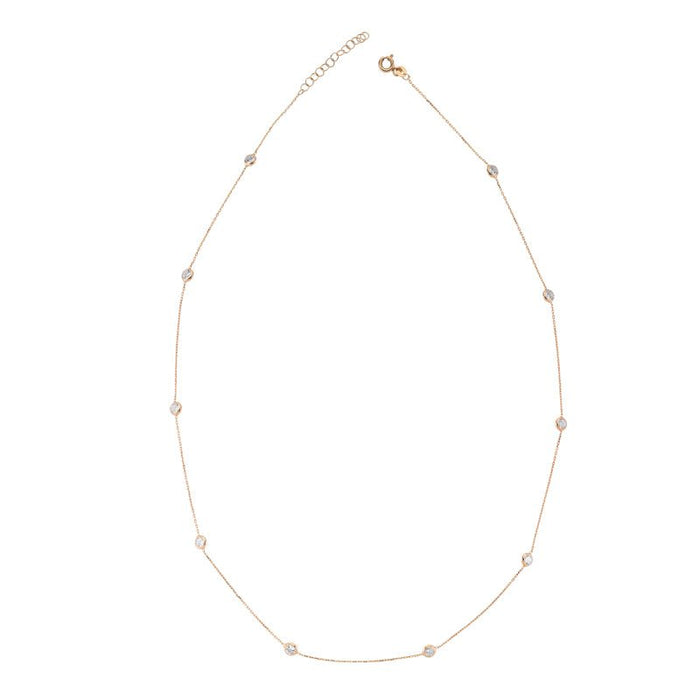
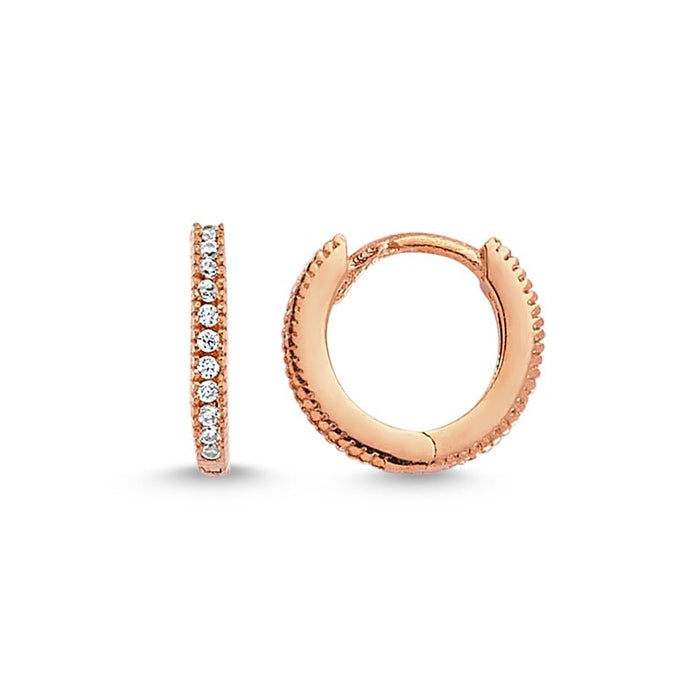
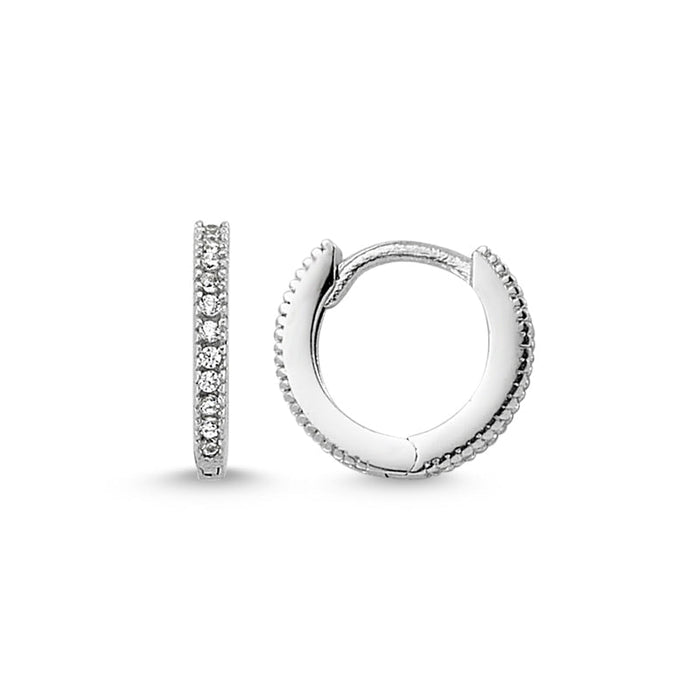
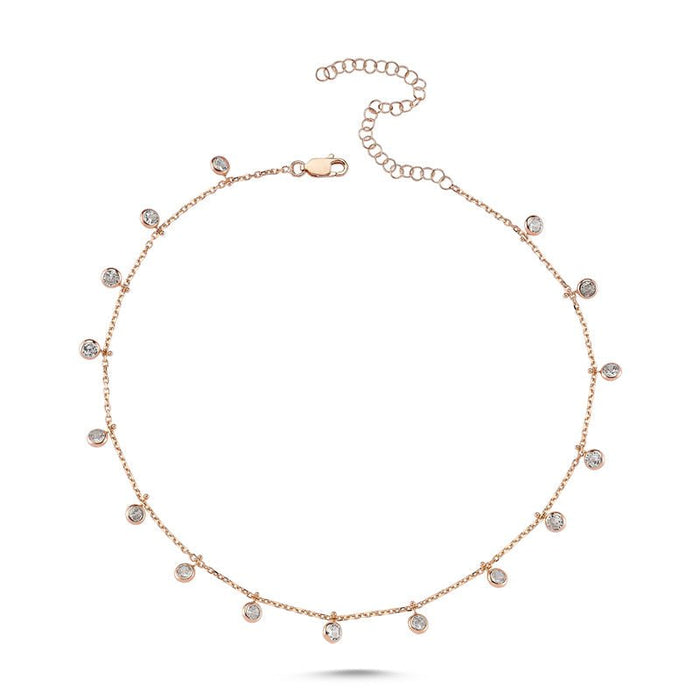
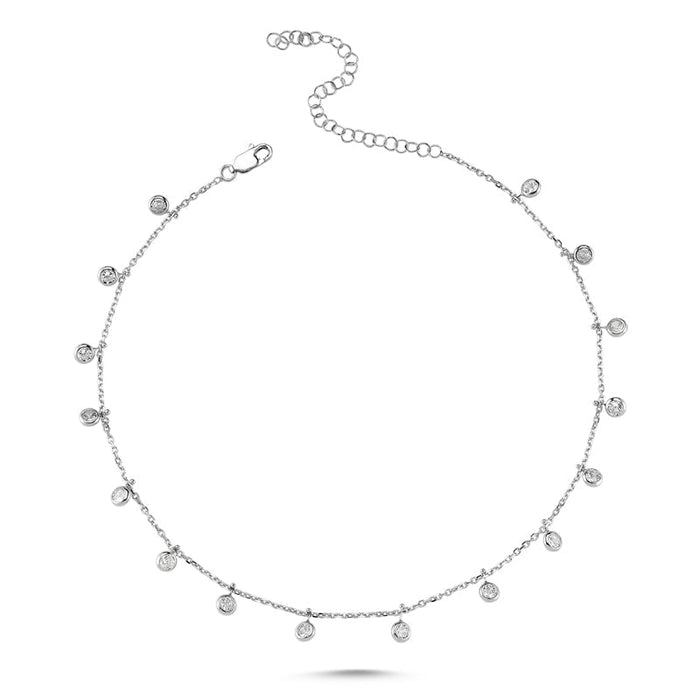
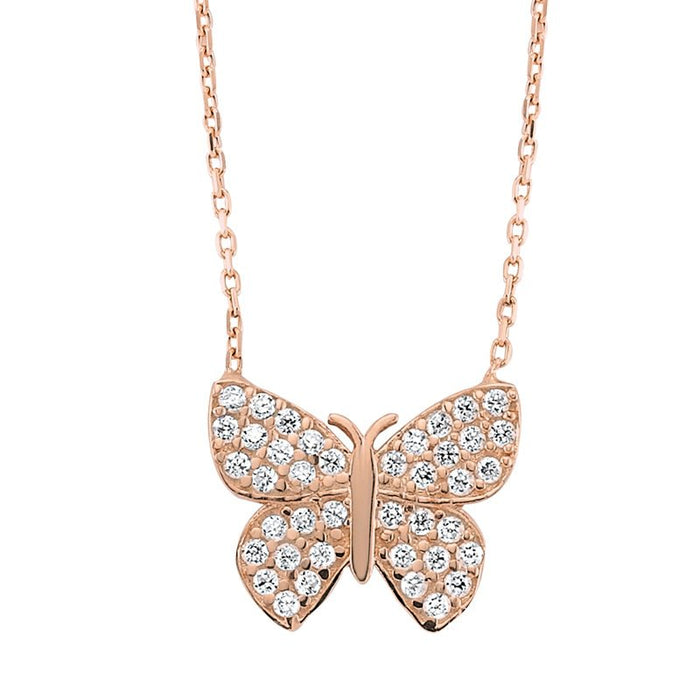
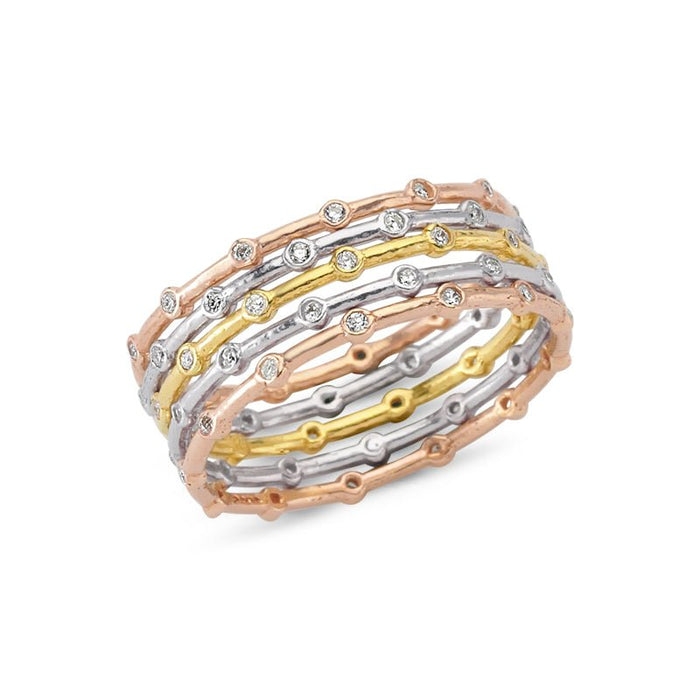
The old rule that you shouldn't mix metals is outdated. Mixing gold, silver, and rose gold is now a standard styling technique. Choose one metal as the dominant tone and use others as supporting elements. Rose gold bridges the gap beautifully between yellow gold and silver.
Vary the scale, keep the aesthetic consistent, and let one piece be the focal point. Browse necklaces to find pieces that naturally complement each other.
Every great necklace stack has at least one plain chain — no pendant, no charm, just a clean line of metal. This layer provides visual breathing room and creates effortless style.
Put longer necklaces on first, then shorter ones over them. For chains that tend to twist together, a necklace layering clasp is a useful investment. Store each necklace separately when not wearing.
For work: 2 necklaces maximum, both refined. For a night out: 3-4 pieces with a strong focal pendant. For casual everyday: the classic 3-piece stack with at least one plain chain.
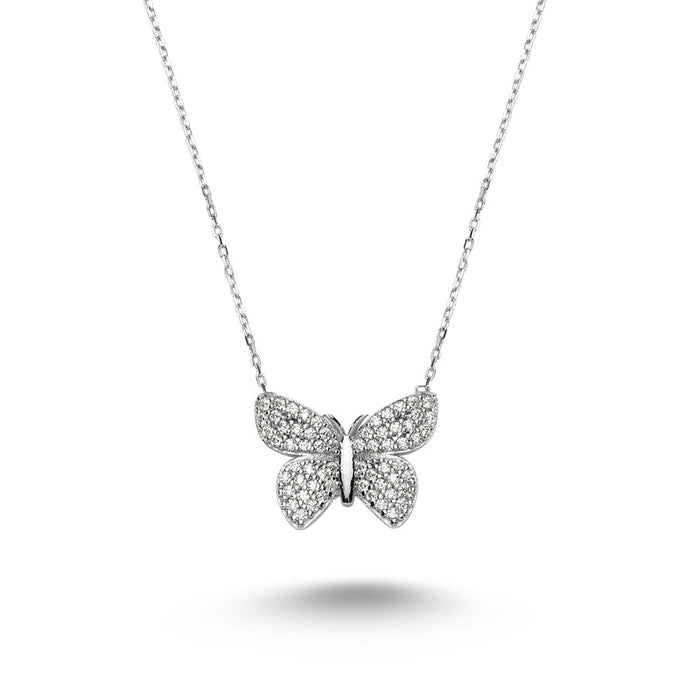
Explore Amorium's full necklace collection — all crafted in 925 sterling silver with gold, rose gold, and silver finishes designed to mix and match beautifully.


0 commentaire