

- Prix ordinaire
- $19.99
- Prix soldes
- $19.99
- Prix ordinaire
- $19.99
Épuisé
- Prix unitaire
- par
Frais d'expédition calculés lors du paiement.

Un bracelet manchette est un bracelet rigide et ouvert, doté d'une fente qui permet de le glisser sur le poignet par le côté, sans fermoir. C'est cette ouverture qui lui permet de s'adapter à plus de tailles de poignet qu'un jonc fermé, de ne jamais tomber sans que vous le remarquiez, et de suffire à elle seule à structurer une tenue. Voici comment l'enfiler correctement, trouver votre taille et l'associer au reste de vos bracelets.
Dernière mise à jour : 22 septembre 2026
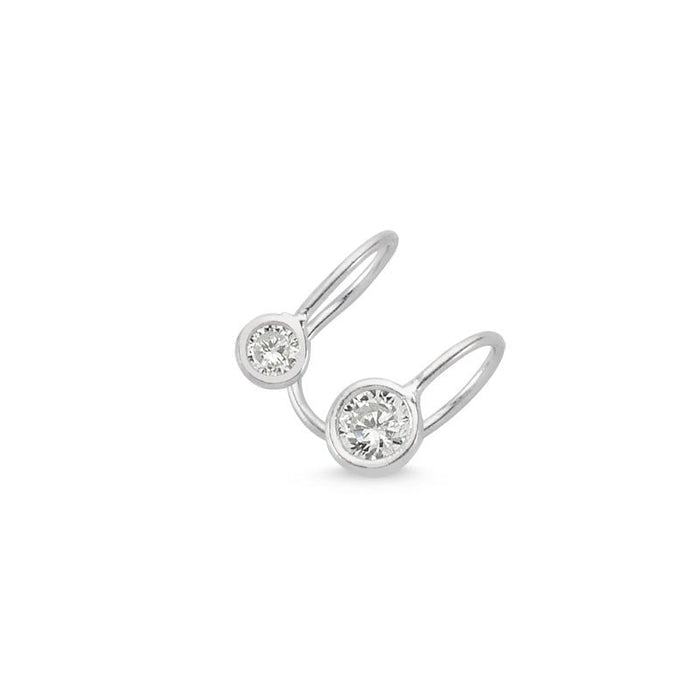
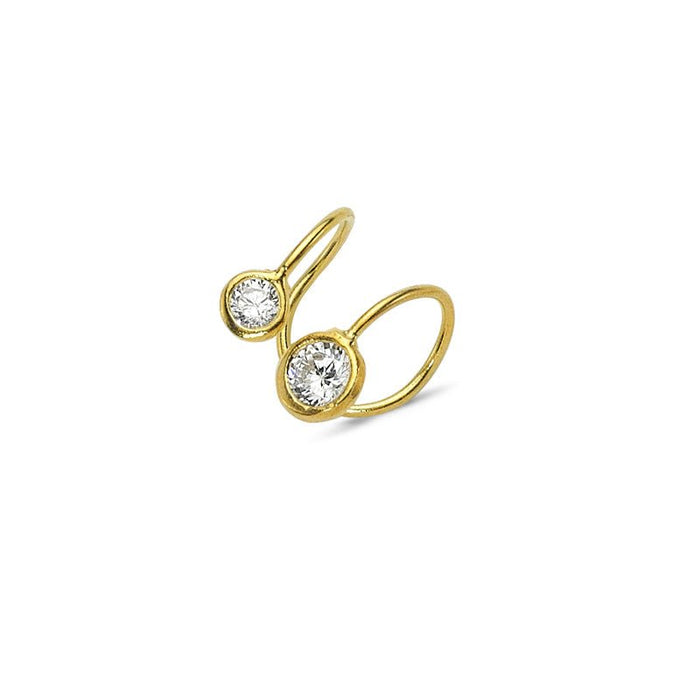
Une manchette est une bande ouverte, généralement en métal, qui épouse la majeure partie du poignet et laisse une petite ouverture sur la face interne. Elle garde sa forme au lieu de tomber comme une chaîne. Comme rien ne s'ouvre ni ne se ferme, il n'y a pas de fermoir à manipuler ni de point fragile susceptible de casser.
On confond souvent "bracelet manchette" et "bracelet de bras". À proprement parler, la manchette se porte au poignet, tandis que le bracelet de bras se porte plus haut, sur le haut du bras. Les conseils de style ci-dessous valent pour les deux, mais la manchette de poignet reste de loin la pièce du quotidien.
| Manchette | Jonc fermé | Bracelet à chaîne | |
|---|---|---|---|
| Forme | Rigide, ouvert avec une fente | Rigide, cercle fermé | Maillons souples |
| Mise en place | Se glisse par le côté, sur la partie étroite du poignet | Passe par-dessus toute la main | Fermoir |
| Ajustement | S'adapte au poignet et reste en place | Doit être assez large pour la main, donc il bouge et cliquette | Réglé par la position du fermoir |
| Idéal pour | Une pièce sculpturale, portée seule ou comme ancrage d'un empilement | Le mouvement et le son, porté en plusieurs exemplaires | La superposition au quotidien |
La règle essentielle : n'écartez jamais les extrémités pour la mettre ou la retirer. Ouvrir et refermer le métal à répétition le fatigue et ruine l'ajustement. Faites-la toujours pivoter par le côté.
Elle doit être assez ajustée pour ne pas tourner librement ni glisser par-dessus la main quand le bras pend, mais assez souple pour que vous puissiez la faire pivoter de l'autre main et voir un filet de lumière entre le métal et la peau. La position classique se situe juste au-dessus de l'os du poignet.
Si la manchette laisse une marque profonde ou qu'il faut forcer au point d'entrée, prenez une taille au-dessus ou un profil plus fin. Si elle tourne sans arrêt, l'ouverture est trop large pour votre poignet : un petit ajustement soigneux (quelques millimètres, une seule fois) ne nuit pas à une manchette en argent massif, mais cela ne doit jamais devenir une habitude quotidienne.
La manchette est l'ancrage d'un empilement, pas le remplissage. La pièce rigide structure le poignet, les pièces souples circulent autour.
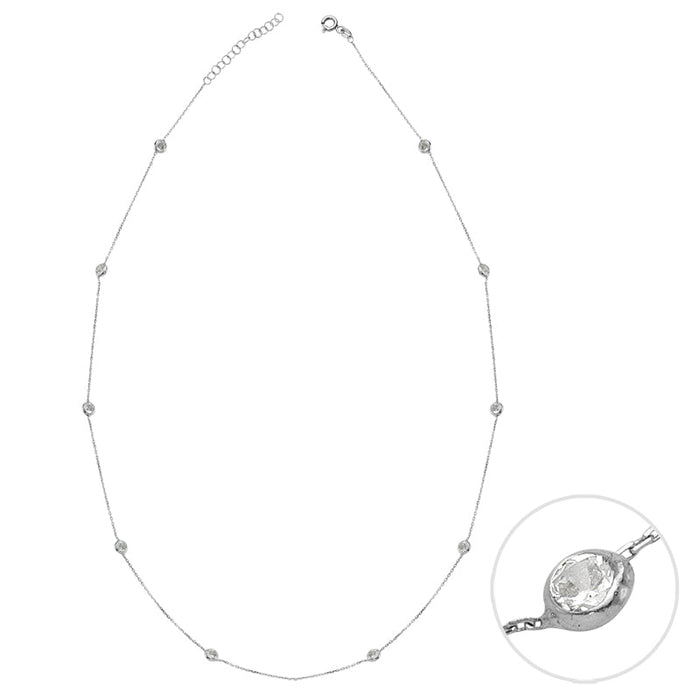
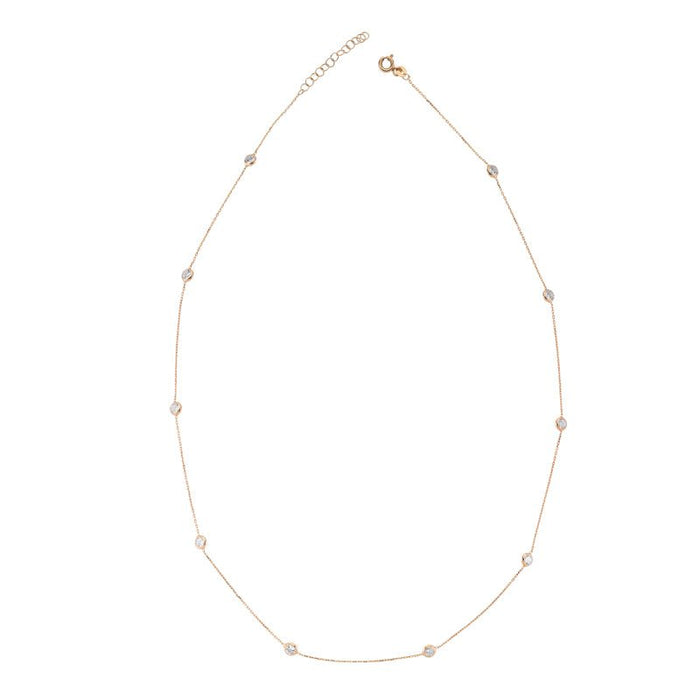
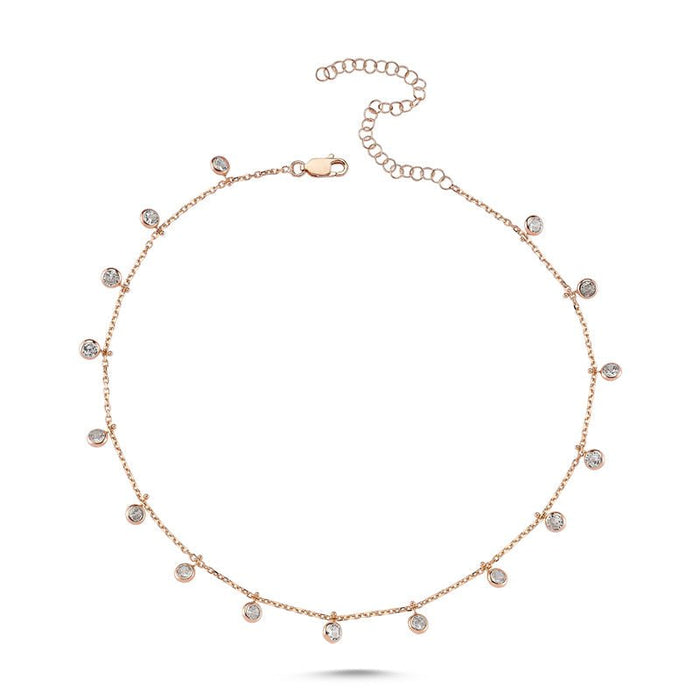
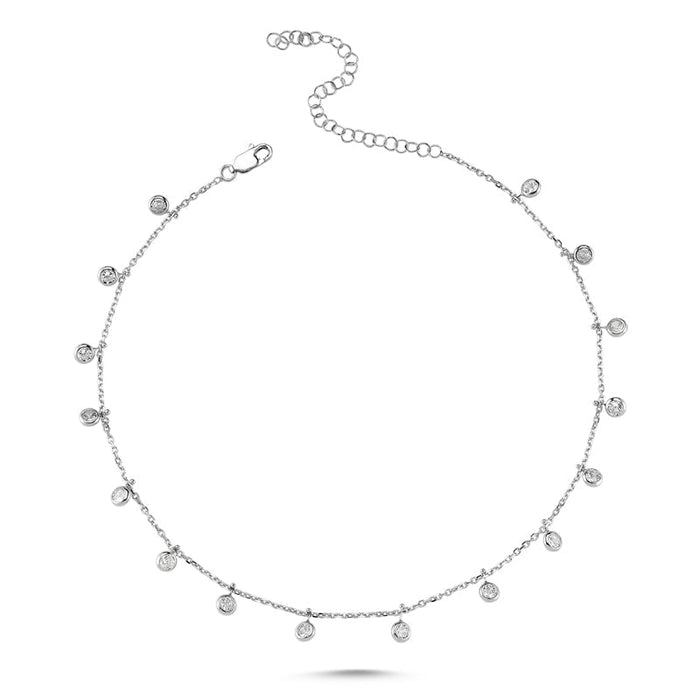
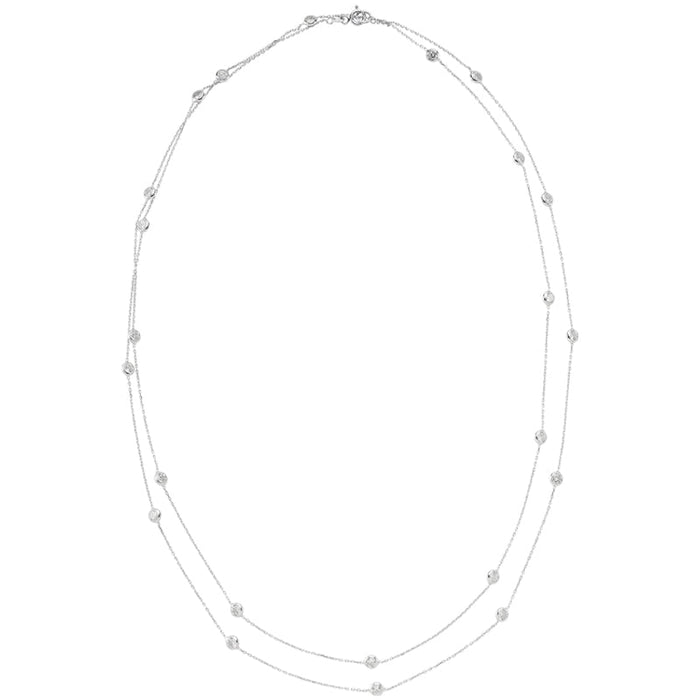
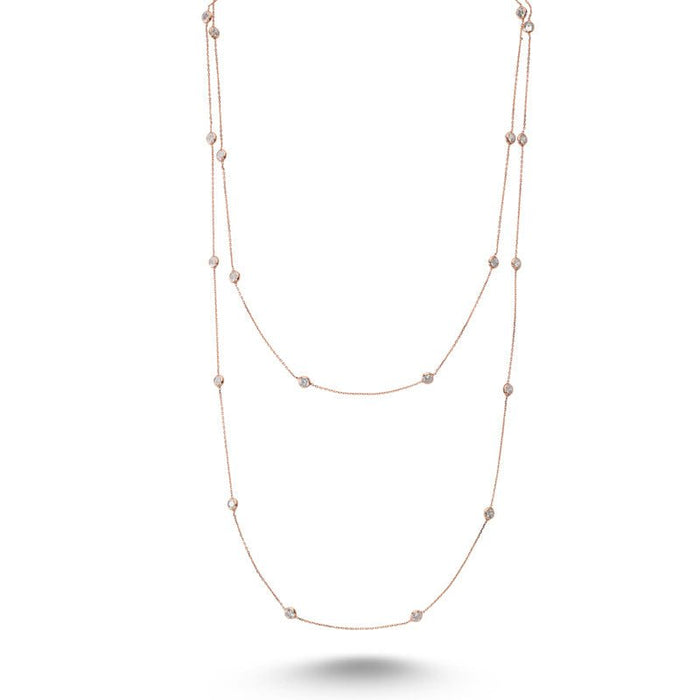
Pour la partie souple de l'empilement, une chaîne délicate comme la famille Mimosa Diamonds By the Yard s'associe naturellement à une manchette lisse. Parcourez les bracelets manchettes pour la partie rigide et la collection complète de bracelets pour les chaînes à superposer.
Une manchette en argent massif vit sur la partie la plus sollicitée du corps : prenez donc deux habitudes. Enfilez-la une fois la crème ou le parfum secs, et essuyez-la avec un chiffon doux avant de la ranger. Les manchettes Amorium sont faites main en argent 925 avec un micro plating qui dure bien plus longtemps qu'un placage standard et, entretenues ainsi, elles ne se ternissent pas. Tout est expédié gratuitement depuis New York avec retours gratuits, donc essayer une taille ne présente aucun risque.
Une manchette est ouverte, dotée d'une fente, et se glisse sur le poignet par le côté : elle peut donc être ajustée et rester en place. Un jonc est un cercle fermé qui doit passer par-dessus toute la main, ce qui le rend forcément lâche au poignet et le fait bouger avec vous. La manchette convient à celles qui trouvent les joncs bruyants ou craignent qu'ils glissent.
Légèrement, et seulement de façon occasionnelle. Une manchette en argent massif de qualité tolère un ajustement ponctuel de quelques millimètres. Ce qui l'abîme, c'est la flexion répétée : l'ouvrir chaque jour pour l'enfiler fatigue le métal. Enfilez-la en la faisant pivoter par le côté étroit du poignet et elle gardera sa forme des années.
Mesurez votre poignet au ruban souple, bien ajusté, juste sous l'os. La plupart des manchettes femme conviennent à des poignets de 15 à 18 cm. Comme l'ouverture apporte de la souplesse, les manchettes pardonnent bien plus que les joncs : la même pièce couvre en général une amplitude d'environ 2,5 cm. Entre deux tailles ou pour un cadeau, c'est le style de bracelet le plus sûr.
Vers le bas, sur la face interne du poignet. Le motif reste ainsi centré sur le dessus, là où il se voit, et la partie pleine porte le poids, ce qui garde l'ensemble équilibré. Certaines tournent délibérément l'ouverture vers le haut pour un effet minimaliste, ce qui fonctionne avec les bandes lisses mais pas avec les manchettes à motif frontal.
Oui, et c'est l'un des meilleurs styles au quotidien : aucun fermoir à user, aucune chaîne à accrocher. Retirez-la pour le sport, la vaisselle et la nuit, évitez la crème sur le métal et passez un chiffon doux de temps en temps. Entretenue selon le guide, une manchette en argent Amorium ne se ternit pas.
Un bracelet de bras reprend la même bande ouverte, portée sur le haut du bras plutôt qu'au poignet. Il doit tenir en douceur au point le plus large confortable et se porte généralement avec des tenues sans manches, comme pièce forte. La manchette de poignet est la version quotidienne, le bracelet de bras la version d'apparat de la même silhouette.

0 commentaire