

- Prix ordinaire
- $19.99
- Prix soldes
- $19.99
- Prix ordinaire
- $19.99
Épuisé
- Prix unitaire
- par
Frais d'expédition calculés lors du paiement.

Cubic zirconia (CZ) and diamonds look similar but are different stones. A diamond is a natural or lab-grown crystal of pure carbon and the hardest known natural material. Cubic zirconia is a lab-created stone made from zirconium dioxide. CZ costs a fraction of a diamond and gives a comparable sparkle, while a diamond is harder, rarer, and far more expensive.
Last updated: August 24, 2026
Both stones have a place, and the right one depends on your budget, how you will wear the piece, and what you value most. Below is a fair, side-by-side comparison so you can decide with the full picture.
Here is how the two stones compare across the factors that matter most.
| Factor | Diamond | Cubic Zirconia (CZ) |
|---|---|---|
| Composition | Pure carbon, natural or lab-grown | Zirconium dioxide, lab-created |
| Hardness (Mohs) | 10, the hardest natural material | About 8 to 8.5, hard but softer than diamond |
| Sparkle | Bright white sparkle (high refraction); balanced fire | Very bright, often more colorful fire (higher dispersion) |
| Color | Ranges from colorless to tinted; graded | Typically colorless and very clear |
| Durability over time | Extremely scratch-resistant; lifelong | Durable for everyday wear; can dull or scratch over many years |
| Price | High; rises steeply with size and quality | Low; accessible at any size |
| Best for | Heirloom and milestone pieces; lifetime daily wear | Everyday and fashion jewelry; the diamond look on a budget |
Cubic zirconia is a lab-created stone made from zirconium dioxide. It was developed as an affordable, durable alternative to diamond and has been a jewelry mainstay for decades.
CZ is prized for its clarity and brilliance. Because it is made in a lab, it is typically very clear and colorless, with a bright, lively sparkle. On the Mohs hardness scale it rates around 8 to 8.5, which makes it hard and well suited to everyday jewelry, though not as scratch-proof as diamond over the very long term.
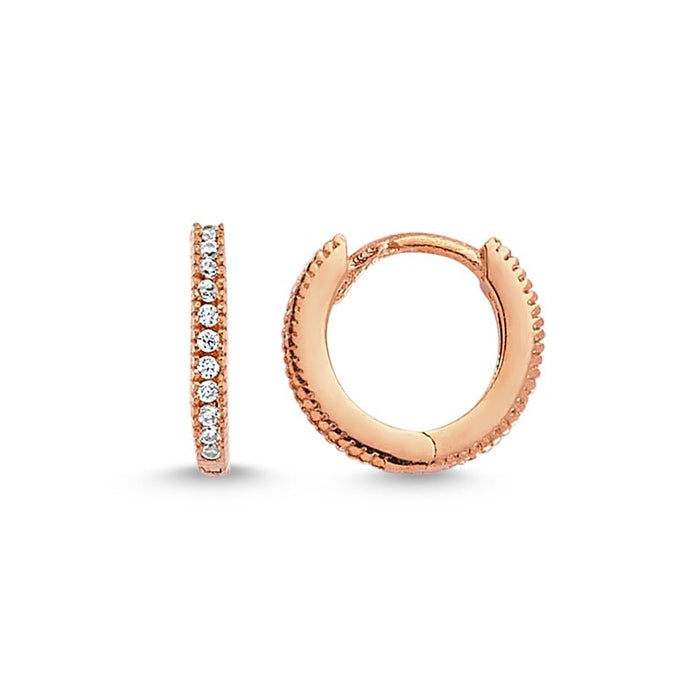
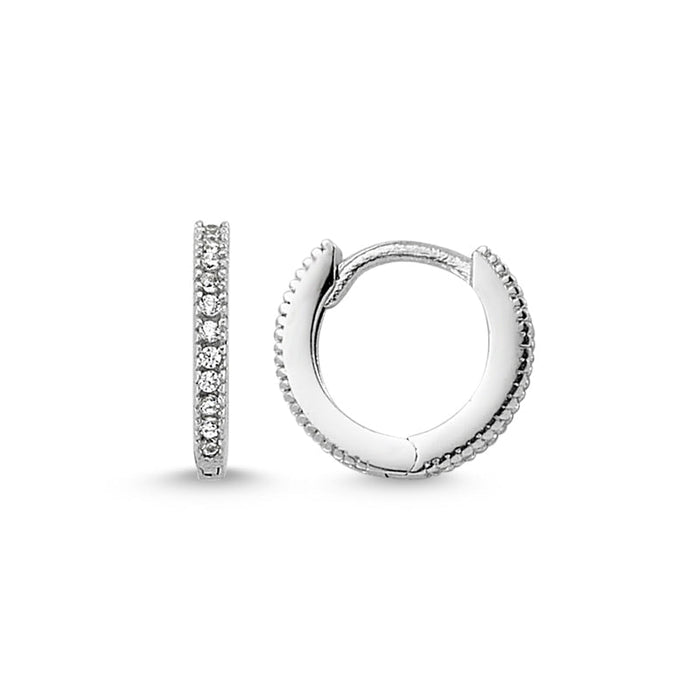
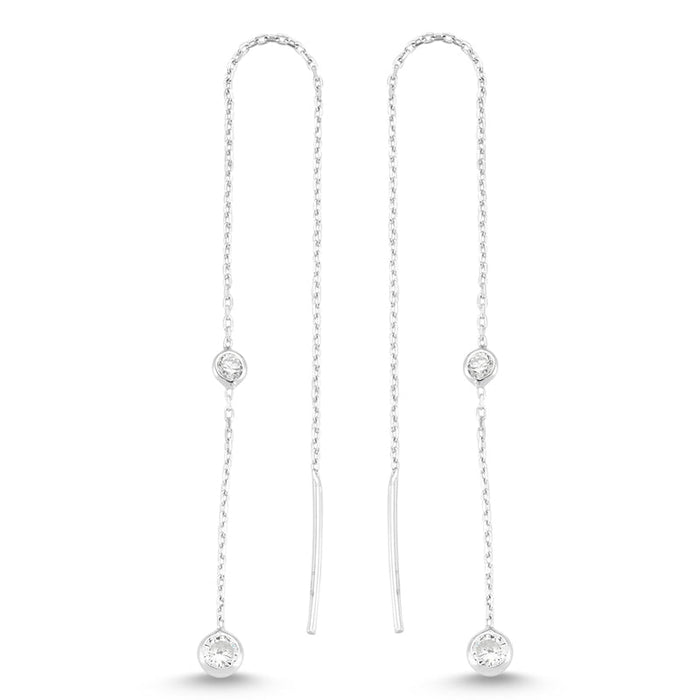
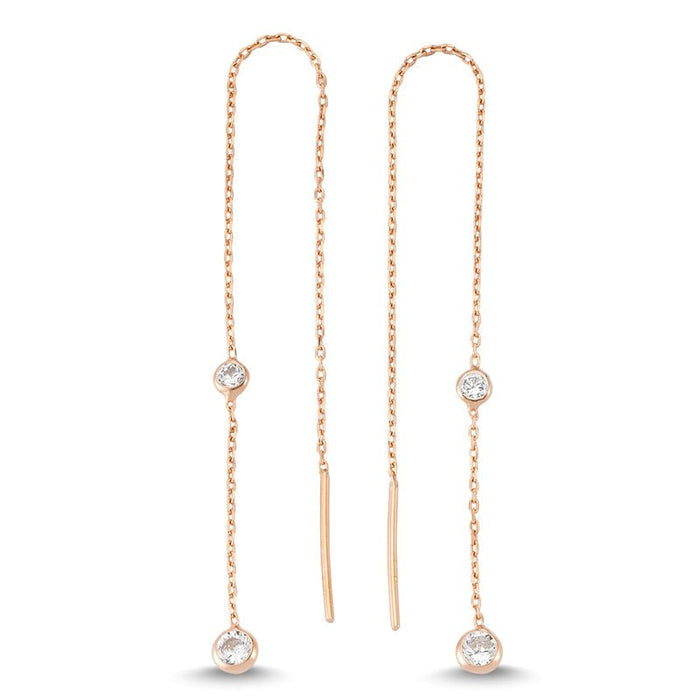
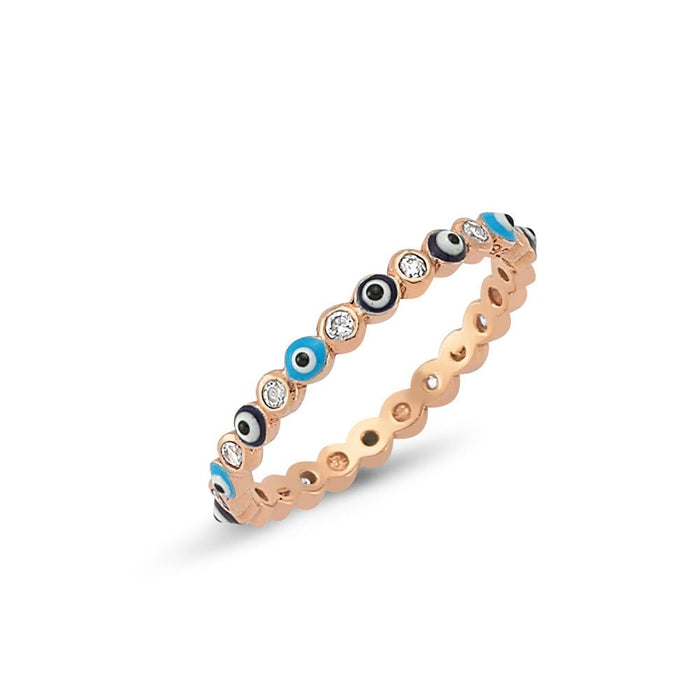
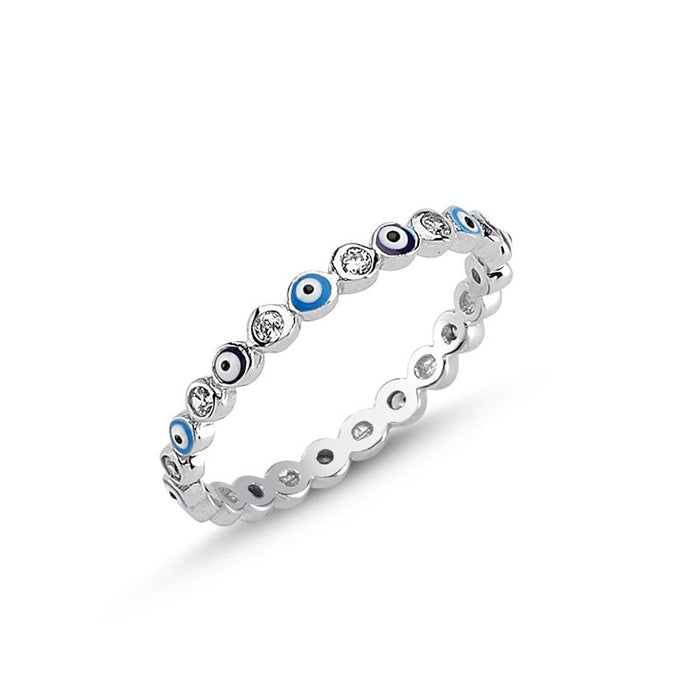
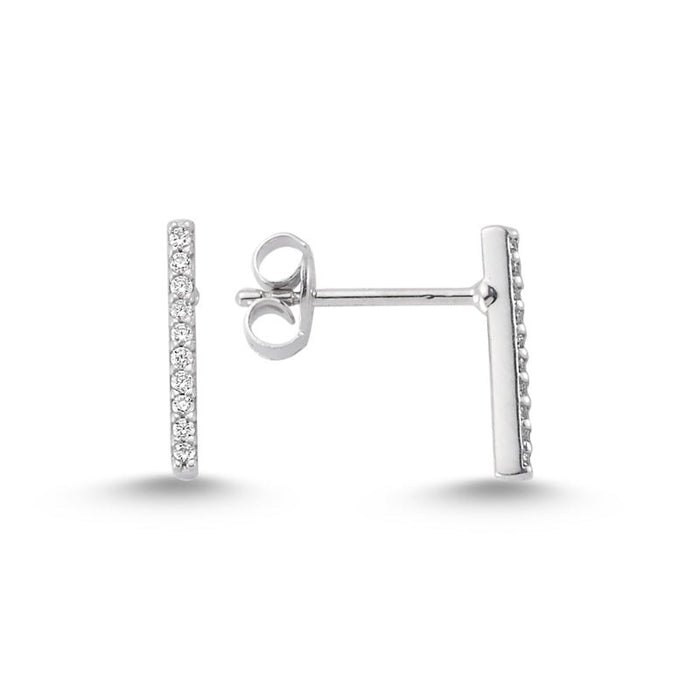
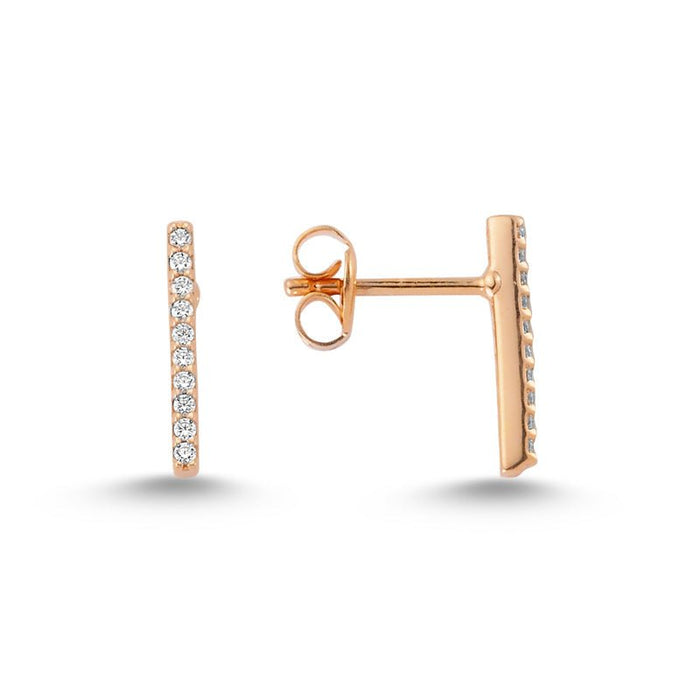
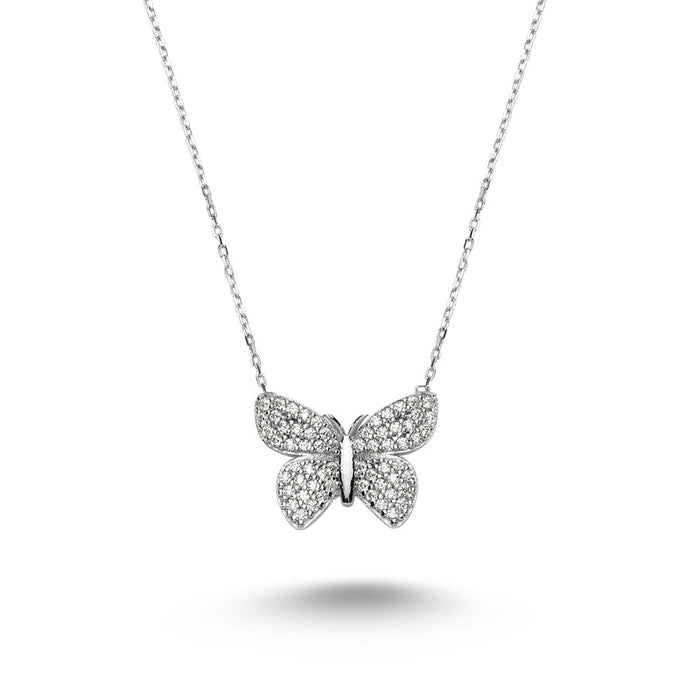
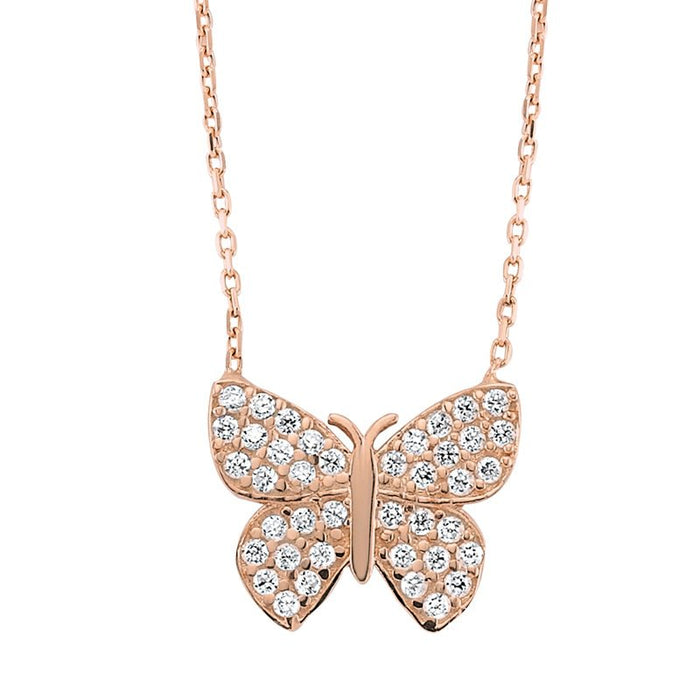
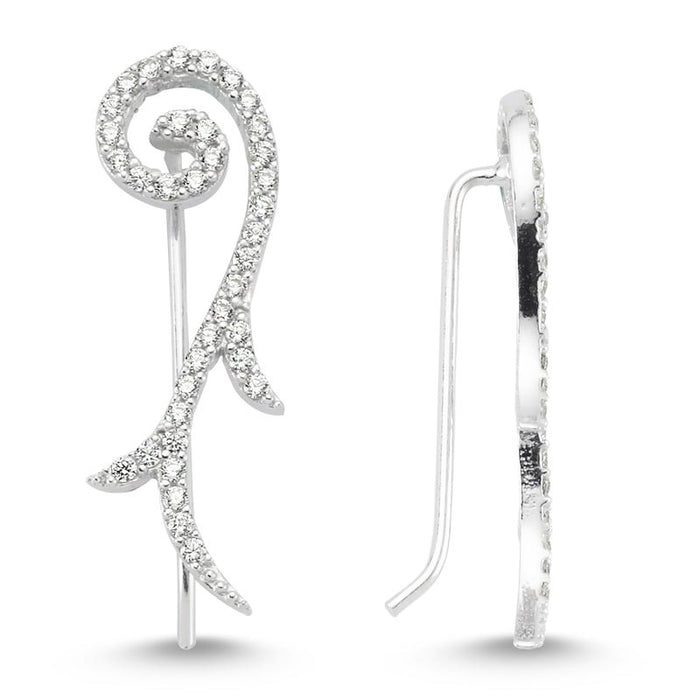
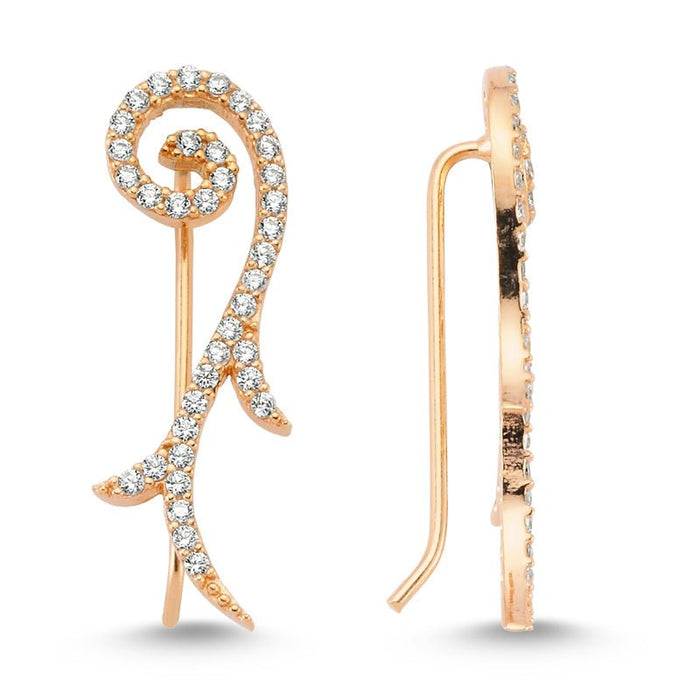
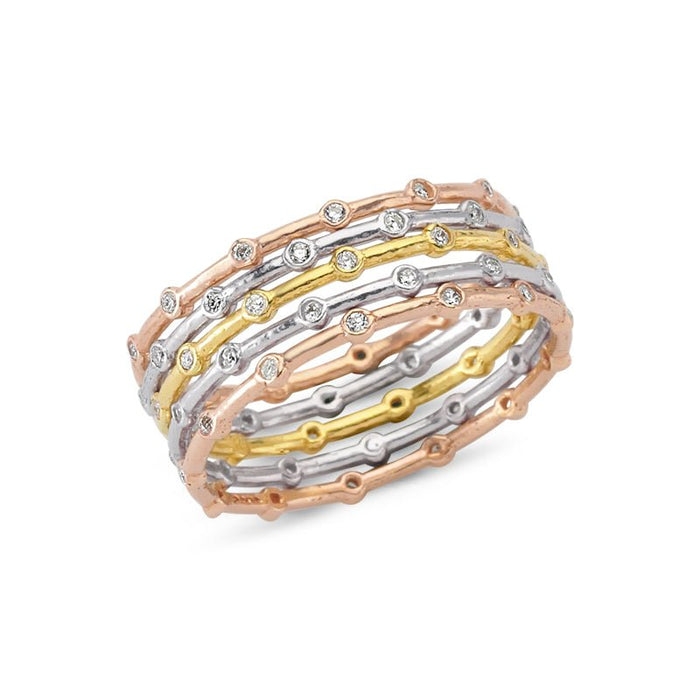
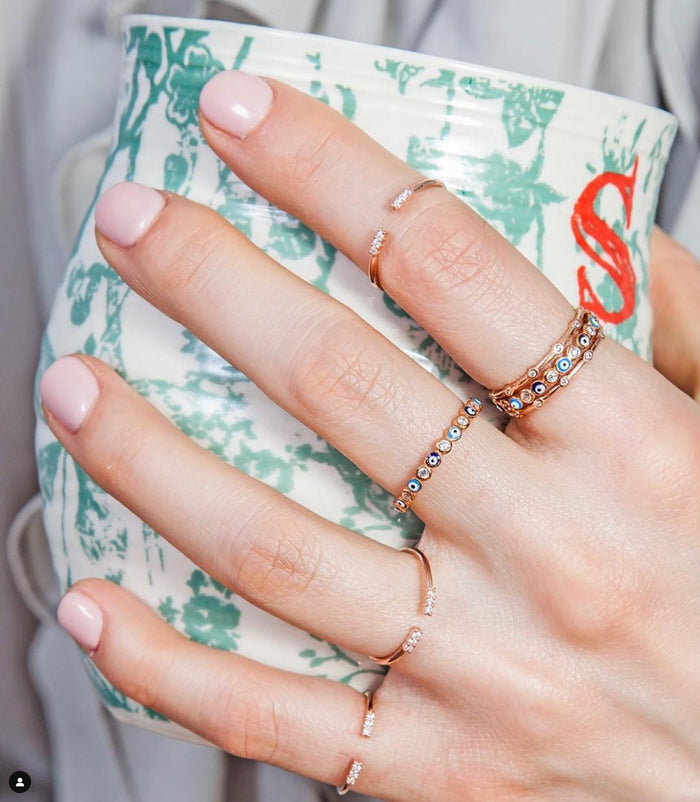
At Amorium, cubic zirconia is set in handmade 925 sterling silver and finished with micro-plating in gold, rose gold, or rhodium. That pairing gives you the diamond look at an accessible price, with sparkle that stands up to daily wear.
A diamond is a crystal of pure carbon, either mined from the earth or grown in a lab. It is the hardest known natural material, rating a 10 on the Mohs scale, which is why diamonds resist scratching and last for generations.
Diamonds are graded on the "four Cs": cut, color, clarity, and carat. Their value comes from rarity, hardness, and that grading system, which is why price climbs steeply as size and quality increase. A diamond is the traditional choice for engagement rings and heirloom pieces meant to last a lifetime and beyond.
To the casual eye they look very similar, which is exactly why CZ is so popular. A few differences a jeweler notices:
For everyday wear, most people cannot tell the difference at a glance, which is the appeal of a quality CZ piece.
The honest answer is that it depends on what you want from the piece.
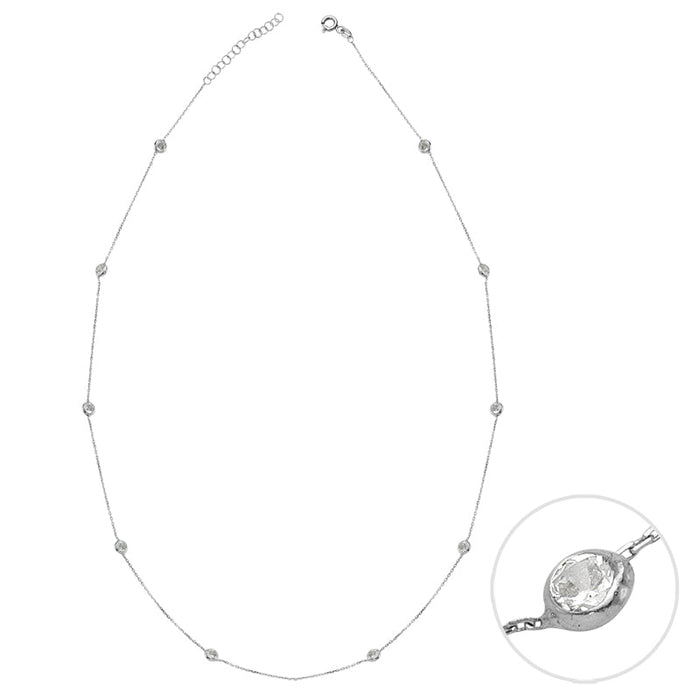
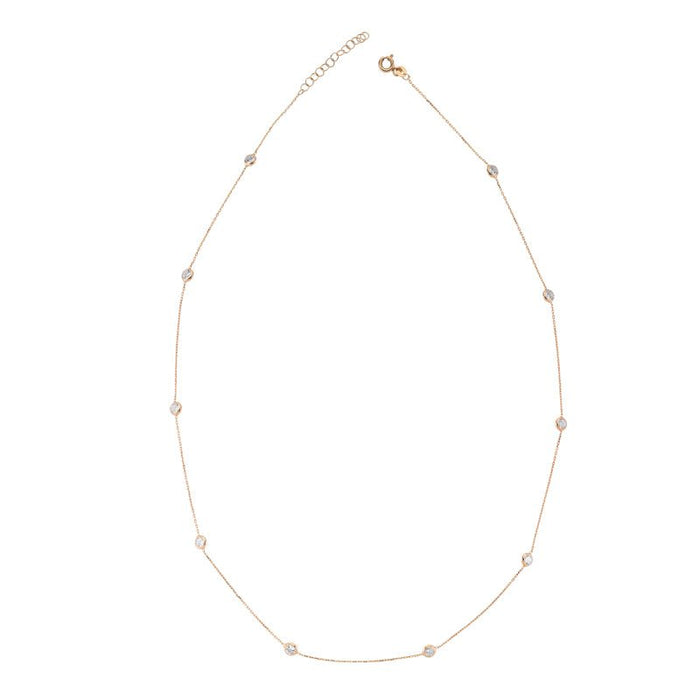
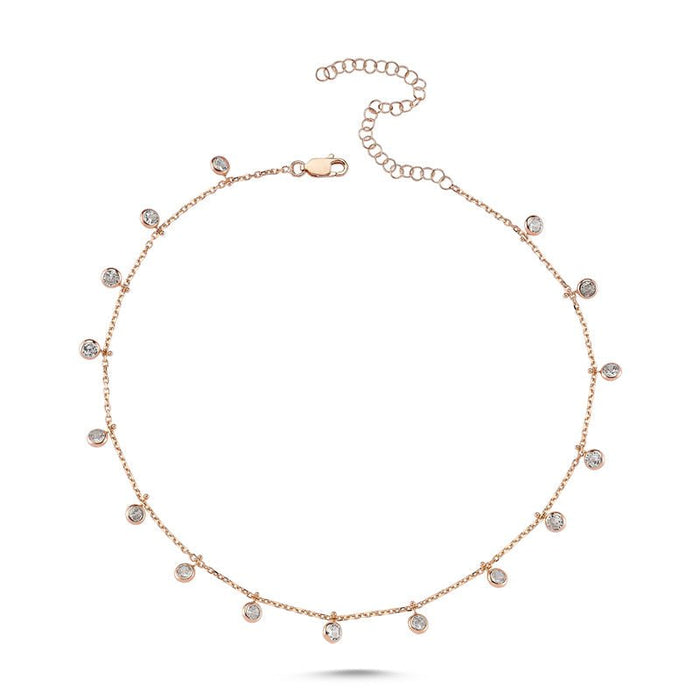
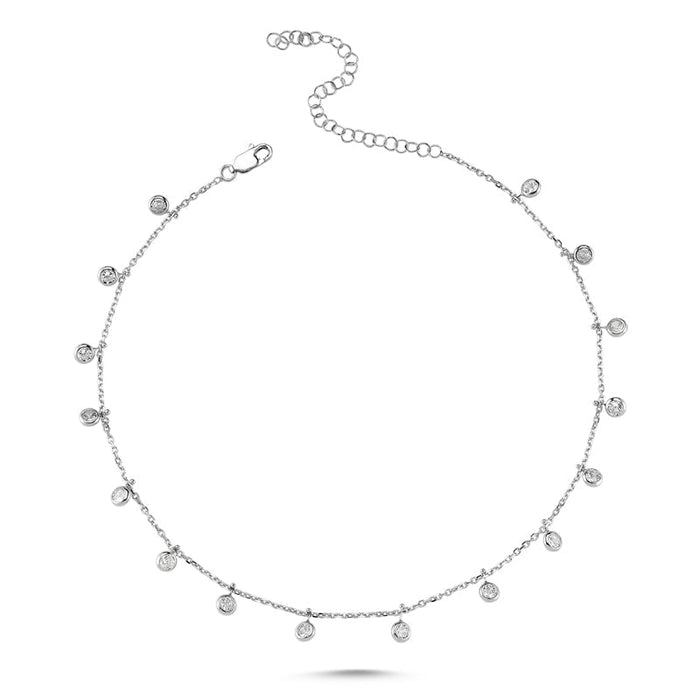
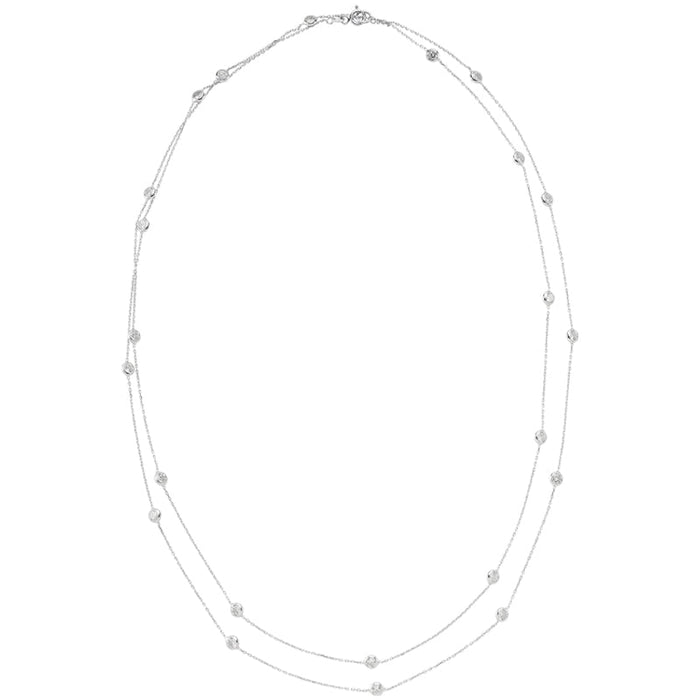
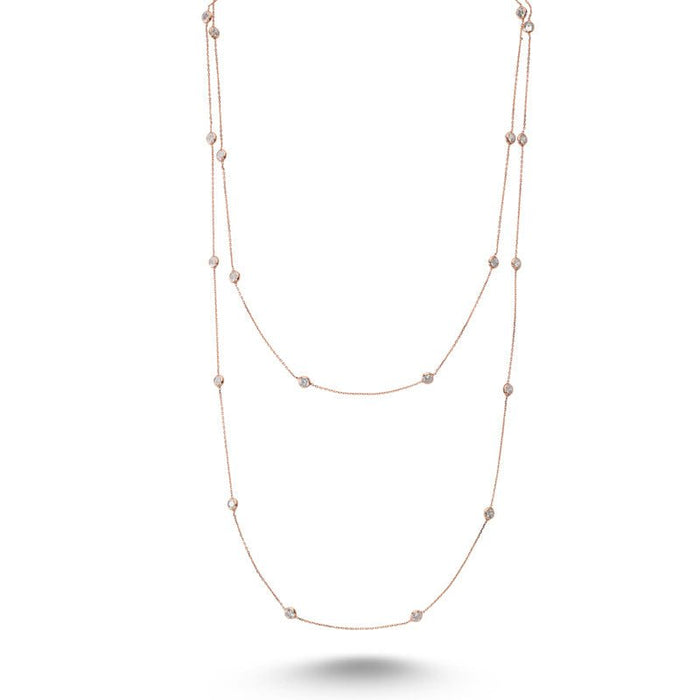
For everyday jewelry, CZ in sterling silver is a smart, honest choice. It delivers the look you want at a price that feels easy. Explore the full Amorium collection to see CZ set in handmade silver, including pieces like the Short Mimosa Diamonds By the Yard Necklace, where tiny CZ stations catch the light along a fine chain.
CZ stays bright with simple care. Remove your jewelry before showering, swimming, cleaning, or applying lotion and perfume, store it dry, and wipe it with a soft cloth. This keeps both the stone and the setting looking their best.
With Amorium, the sterling silver setting is just as important as the stone. The micro-plating lasts significantly longer than standard plating and, cared for properly, will not tarnish. Amorium ships free from New York with free returns, so it is low risk to try a piece.
No, cubic zirconia is not a fake diamond; it is its own real, lab-created stone made from zirconium dioxide. It is not glass or plastic. CZ was developed specifically as an affordable, durable alternative that mimics the look of a diamond, with bright sparkle and excellent clarity. It is accurate to call it a diamond simulant or alternative, but not a fake, since it is a genuine gemstone material in its own right with real value for everyday jewelry.
To the casual eye, usually not, which is why CZ is so popular. Up close, CZ tends to throw more colorful flashes, while a diamond shows a brighter, more balanced white sparkle. CZ is also denser, so it weighs more than a diamond of the same size, and it is usually flawlessly clear, whereas natural diamonds often have tiny inclusions. Jewelers use thermal and electrical testers to tell them apart for certain, but in everyday wear the difference is hard to spot.
Cubic zirconia is durable and well suited to everyday jewelry. It rates around 8 to 8.5 on the Mohs hardness scale, so it resists scratching from daily wear, though not as completely as a diamond, which rates a 10. Over many years a CZ stone can gradually dull or pick up tiny scratches, especially with heavy wear. Removing your jewelry before chores, applying lotion, and storing it carefully will keep a CZ stone bright for a long time.
Yes. Cubic zirconia set in 925 sterling silver is a quality, affordable combination: a real gemstone material in a real silver alloy of 92.5% silver. It gives you the diamond look without the diamond price. Amorium sets CZ in handmade sterling silver with micro-plating that lasts significantly longer than standard plating, so the piece holds up to daily wear and, cared for properly, will not tarnish. It is a smart choice for everyday and fashion jewelry.
The price gap comes down to rarity and how each stone is made. Diamonds are valued for their natural rarity, extreme hardness, and a strict grading system, so their price rises steeply with size and quality. Cubic zirconia is created in a lab from readily available materials, so it can be produced in any size at a low cost. The lower price does not mean lower beauty: it simply reflects that CZ is abundant and lab-made rather than rare.
Want the diamond look without the price? Browse the full Amorium collection to find CZ pieces set in handmade sterling silver.

0 commentaire