


Evil Eye Meaning: Colors, History, and How to Wear It
The evil eye is one of the oldest and most widespread protection symbols in human history, spanning thousands of years and dozens of cultures. The blue evil eye, the one most people picture, is believed to reflect harmful intent back away from the wearer. This guide covers where the symbol comes from, what each color means, and how to wear evil eye jewelry.
What Is the Evil Eye?
The evil eye is the belief that envy or ill will, directed at someone through a look, can cause misfortune. The symbol worn as jewelry is not the curse itself: it is the protection against it. An evil eye charm works as a mirror, reflecting negative intent back rather than absorbing it.
The Greek name for this kind of object is apotropaic, meaning "that which turns away." The same idea appears independently across the Mediterranean, the Middle East, South Asia, and Latin America, which is part of why the symbol feels familiar to so many people who did not grow up with it.
The History and Origins of the Evil Eye
Ancient Civilizations
Protective eye symbols appear in Mesopotamian artifacts, in ancient Egypt as the Eye of Horus, and throughout Greek and Roman daily life, where eyes were painted on drinking cups and the prows of ships. The belief is old enough that it has no single point of origin; it emerges wherever people worried about envy.
Mediterranean and Middle Eastern Traditions
The blue glass amulet most people recognize today is the Turkish nazar boncuk, made of concentric blue and white circles. In Greece it is the mati. Across the Middle East and North Africa the eye often appears set into the Hamsa, an open palm also called the Hand of Fatima, combining two protective symbols in one.
Across Religions and Belief Systems
References to the harm of an envious gaze appear in Jewish, Christian, and Islamic traditions, as well as in Hindu practice, where drishti rituals protect children from admiring looks. In Latin America the same belief is called mal de ojo. Today most people wear the symbol culturally or aesthetically rather than religiously, which is worth knowing if you are buying one as a gift.
What Does the Blue Evil Eye Mean?
Blue is the classic and most common evil eye color. It is associated with protection, calm, and good karma, and it is the color used in the traditional Turkish and Greek amulets. If you want the meaning most people will recognize, blue is it.
One practical note on shades: light blue is often linked to broad protection and peace, while deep or dark blue is associated with protection specifically around fate and personal destiny. Both are traditional, so the choice is aesthetic more than anything.
Evil Eye Colors and Their Meanings
Color meanings vary by region and are folk tradition rather than doctrine, but these associations are the ones most commonly cited.
| Color | Commonly associated with |
|---|---|
| Blue | General protection, calm, good karma. The traditional choice. |
| Dark blue | Protection of destiny and fate |
| Red | Courage, energy, protection from fear |
| Green | Balance, growth, personal happiness |
| White | Clarity, focus, a fresh start |
| Yellow or gold | Health, energy, relief from exhaustion |
| Purple | Imagination, removing obstacles |
| Black | Power and strength in difficulty |
The Evil Eye and the Hamsa: What Is the Difference?
People often shop for these together, so it helps to separate them. The evil eye is the symbol of the eye itself. The Hamsa is an open palm, usually with an eye set at its center. The Hamsa is understood to offer broader protection and blessing, while the evil eye is specifically about deflecting envy. Many pieces combine both, and wearing them together is traditional rather than contradictory.
How to Wear Evil Eye Jewelry
Rings
A ring keeps the symbol in your own line of sight, which is why many people choose one as a first piece. The Dainty Evil Eye Ring in Silver with Blue Eye is the traditional blue eye in an everyday size, and our most popular evil eye piece. For a bolder look, a stackable ring set layers several bands at once.
Necklaces
Worn as a pendant, the eye sits near the heart, which several traditions consider the most protective placement. The Blue Evil Eye Necklace Pendant in Silver is small enough to layer with other chains.
Bracelets and Hand Chains
A wrist is the most visible placement, and in many traditions a protective charm worn on the hand is meant to be seen. A hand chain finger bracelet combines a bracelet and ring in one piece.
Hamsa Pieces
If you want the palm rather than the eye alone, the Hamsa Chain Silver Ring carries the Hand of Fatima in a dainty everyday form.


Which Hand or Side Should You Wear It On?
There is no single rule, and traditions differ. The most commonly repeated guidance is to wear protective jewelry on the left side, the receiving side, to guard what comes toward you, and on the right when you want the protection to travel outward with your actions. In practice, wear it wherever you will actually keep it on. A piece in a drawer protects nobody.
Caring for Sterling Silver Evil Eye Jewelry
Every Amorium evil eye piece is handmade in 925 sterling silver with cubic zirconia stones, finished in gold, rose gold, or rhodium with micro plating that lasts significantly longer than standard plating. Put jewelry on after lotion and perfume have dried, take it off before swimming or showering, and wipe it with a soft cloth before storing. Cared for this way, your pieces will not tarnish.
Browse the full evil eye jewelry collection, or explore related spiritual jewelry including our zodiac pieces and chakra collection. Everything ships free from New York with free returns.
Frequently Asked Questions
What does the evil eye symbol actually protect against?
It is believed to protect against harm caused by envy or ill will directed at you, often described as a look. The charm is understood to reflect that intent away rather than absorb it. The symbol worn as jewelry is always the protection, never the curse, which is a common point of confusion for people buying their first piece.
Is it bad luck to buy an evil eye for yourself?
No. There is a widespread belief that an evil eye is more powerful when received as a gift, which is why the pieces are so often given. But nothing in the tradition says buying one for yourself weakens it, and most people wearing evil eye jewelry today bought it themselves.
What does it mean when an evil eye breaks?
In traditional belief, a cracked or broken evil eye has done its job: it absorbed or deflected the negativity aimed at you and gave way in the process. It is usually taken as a sign to replace the piece rather than as a bad omen.
Which color evil eye should I choose?
Blue if you want the traditional and most widely recognized meaning of general protection. Beyond that, the color associations are folk tradition and vary by region, so choose the one whose meaning appeals to you or simply the color you will wear most. Red is linked to courage, green to balance, and white to clarity.
Can you wear an evil eye every day?
Yes, and traditionally it is meant to be worn continuously rather than saved for occasions. Sterling silver suits daily wear well. Take pieces off for swimming, showering, and sleeping, keep lotion off the metal, and they will stay bright.
What is the difference between the evil eye and the Hamsa?
The evil eye is the eye symbol itself, focused on deflecting envy. The Hamsa is an open palm, usually containing an eye, associated with broader protection and blessing. They come from overlapping traditions and are frequently combined in a single piece, so wearing both together is normal rather than contradictory.

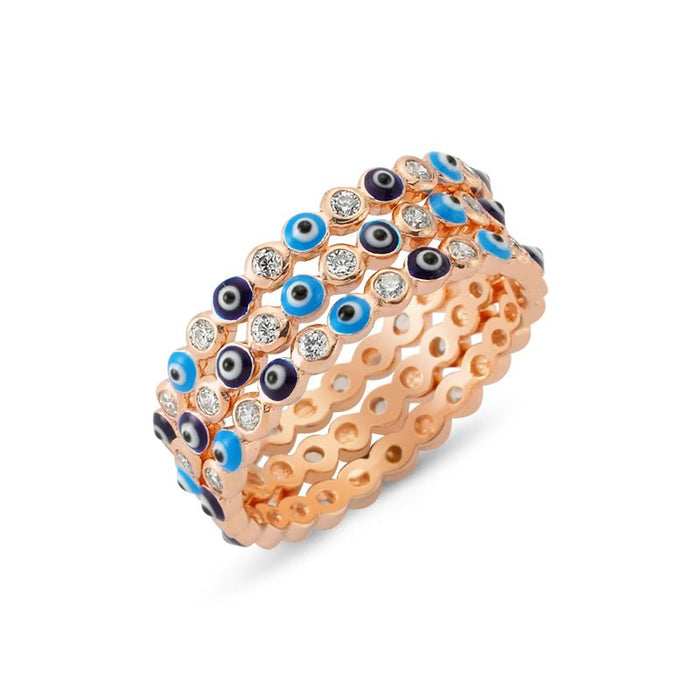
Rose Gold Dainty Evil Eye Ring Stackable Set in Silver
- Regular
- $125.00
- Sale
- $125.00
- Regular
-
- Unit Price
- per
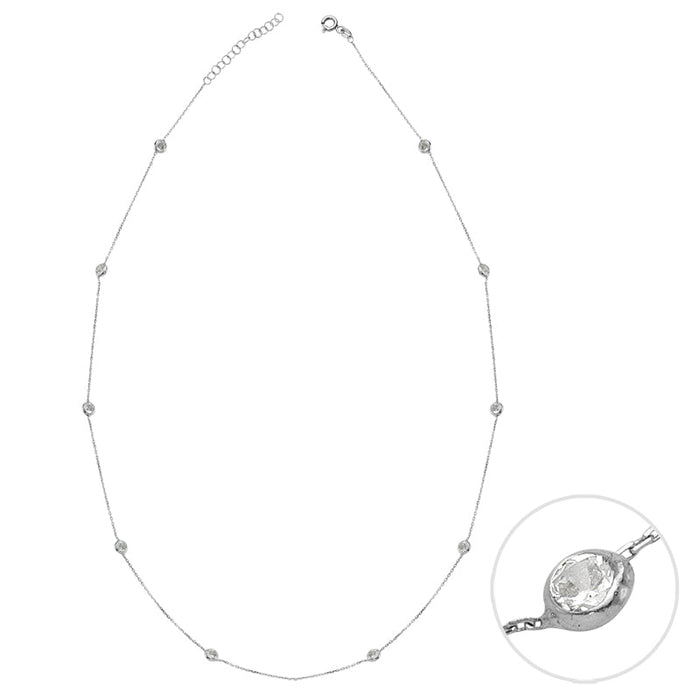
Short Mimosa Silver Diamonds By the Yard Necklace
- Regular
- $52.00
- Sale
- $52.00
- Regular
-
- Unit Price
- per
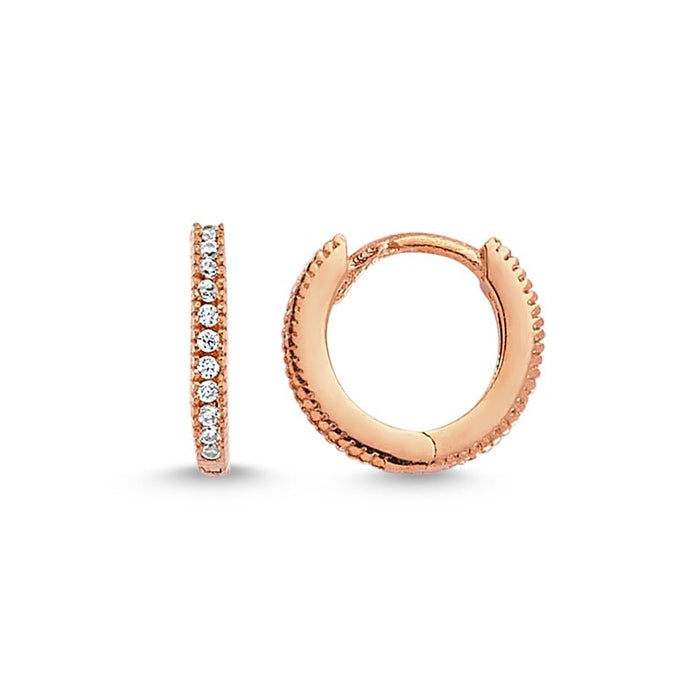
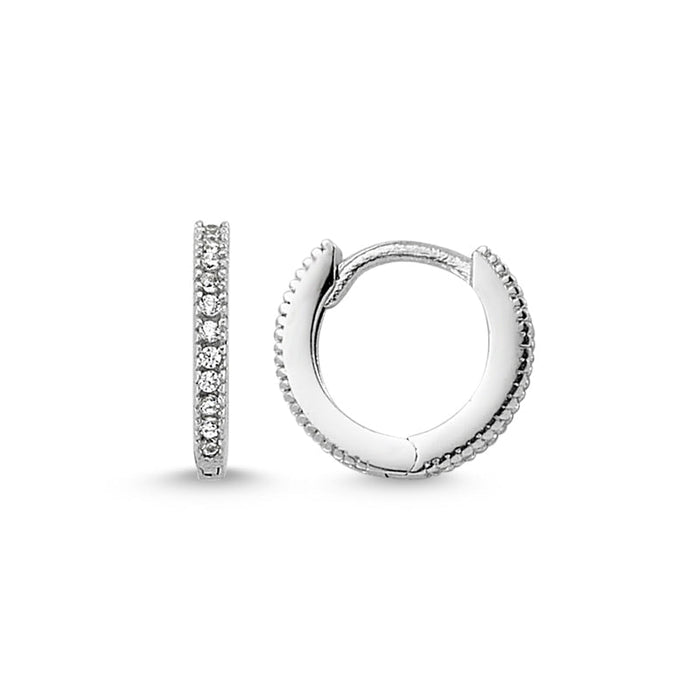
Dainty Trendy Silver Mini Simple Huggie Hoop Earrings
- Regular
- $84.00
- Sale
- $84.00
- Regular
-
- Unit Price
- per
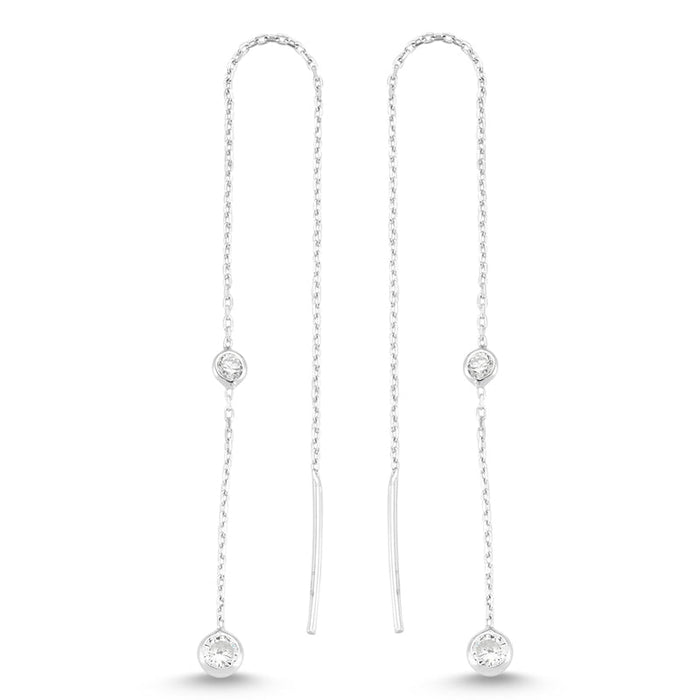
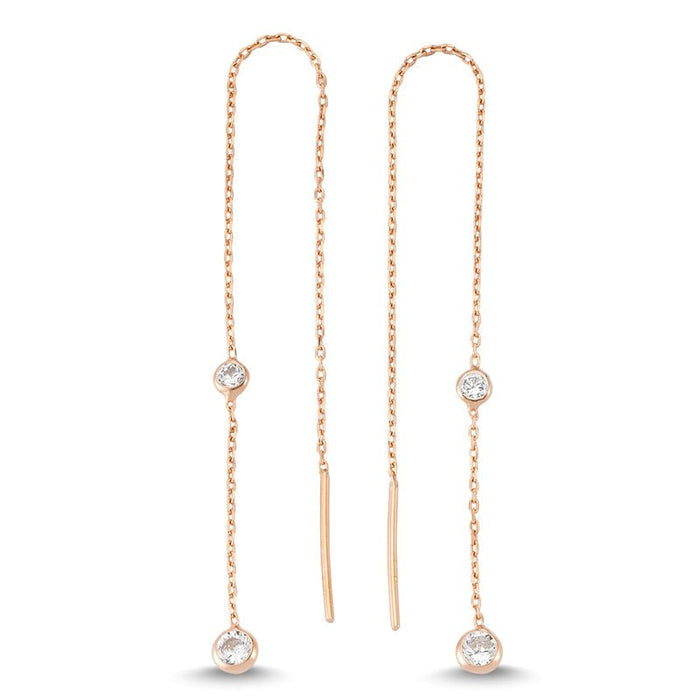
Dainty Diamond Minimalist Long Threader Earrings
- Regular
- $85.00
- Sale
- $85.00
- Regular
-
- Unit Price
- per
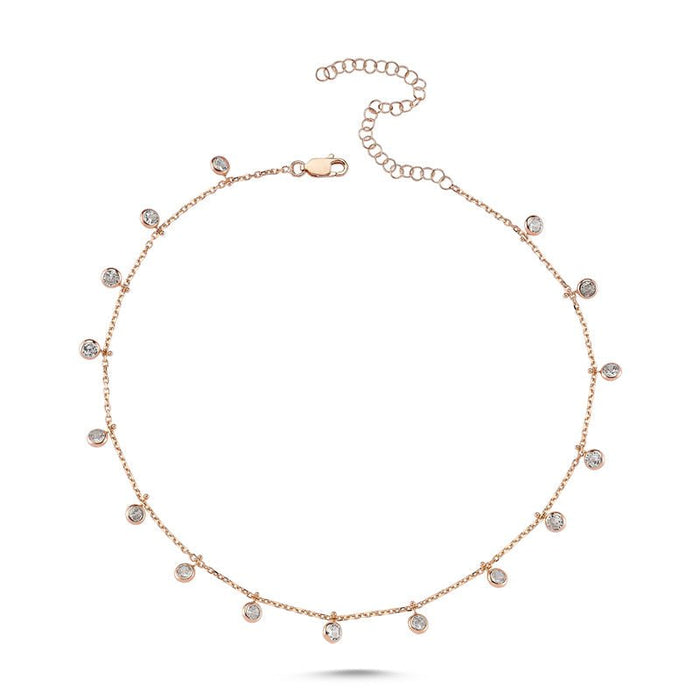
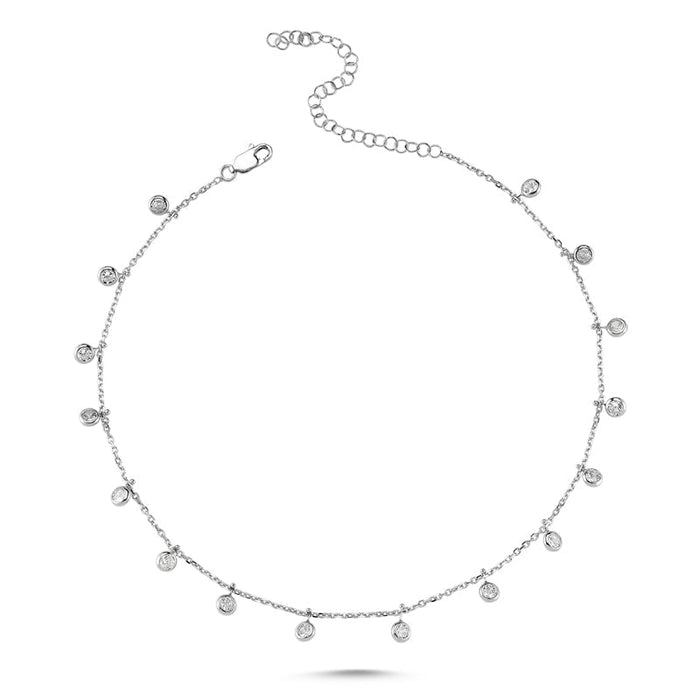
Alessia Silver Choker Necklace with Dangles
- Regular
- $125.00
- Sale
- $125.00
- Regular
-
- Unit Price
- per
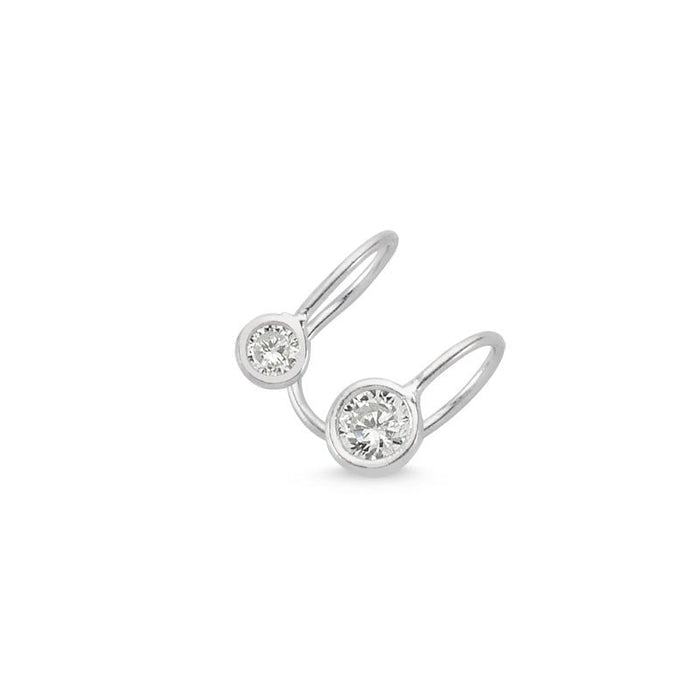
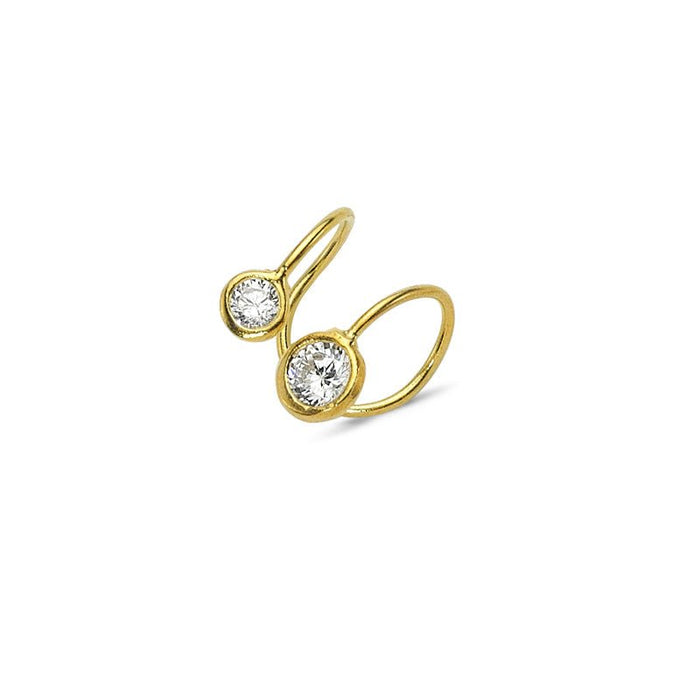
Dainty Simple Mini Bezel Ear Cuff Earrings in Silver
- Regular
- $45.00
- Sale
- $45.00
- Regular
-
- Unit Price
- per
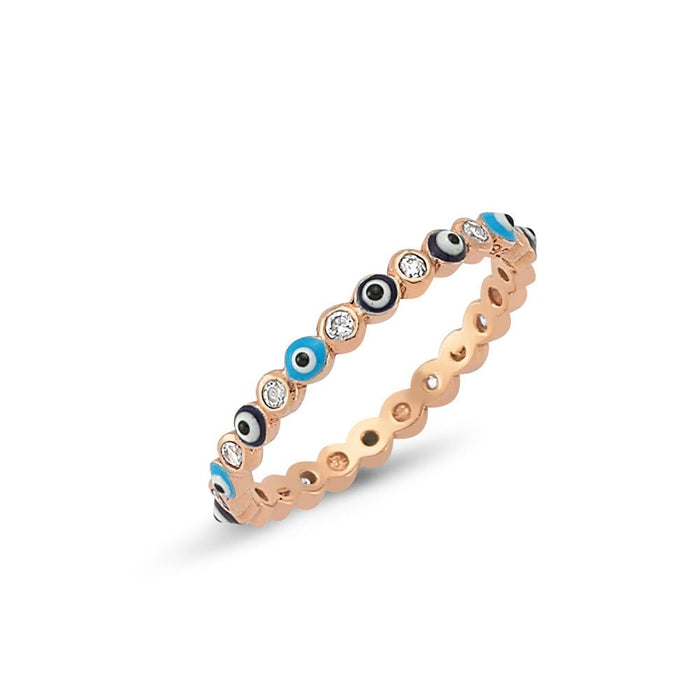
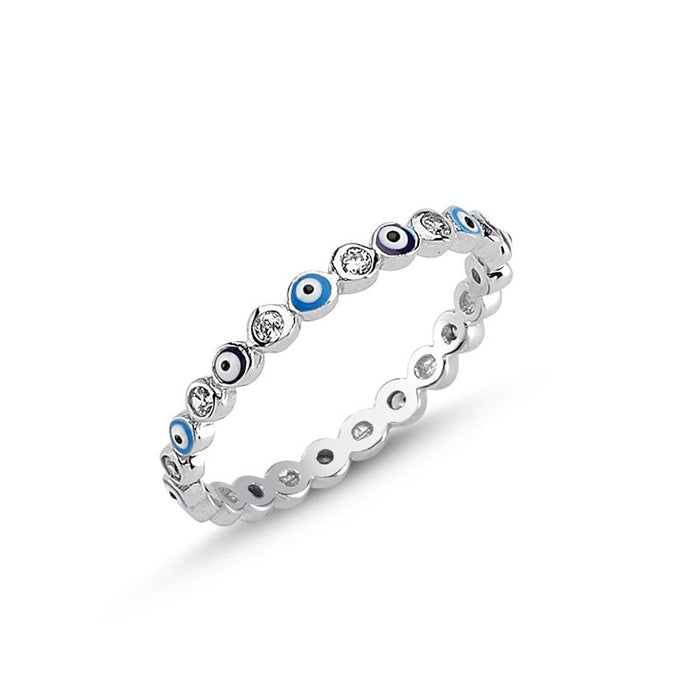
Dainty Evil Eye Ring in Silver with Blue Eye
- Regular
- $52.00
- Sale
- $52.00
- Regular
-
- Unit Price
- per
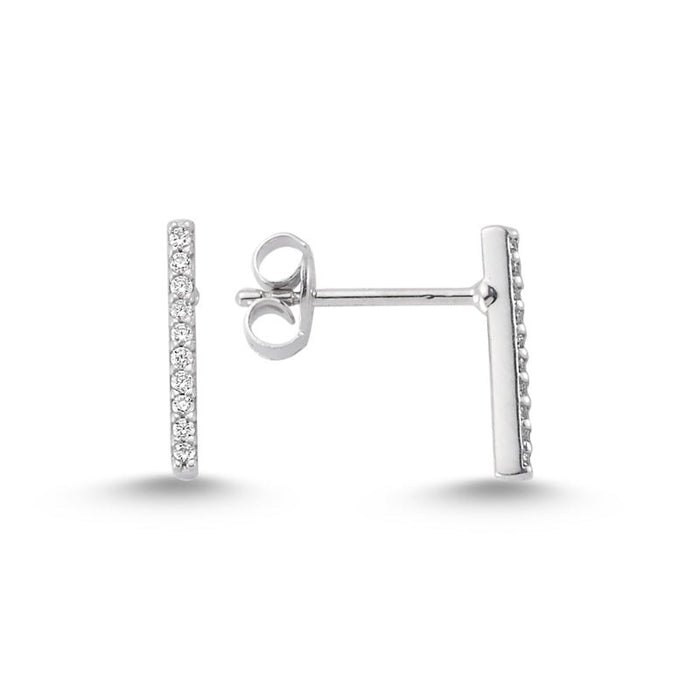
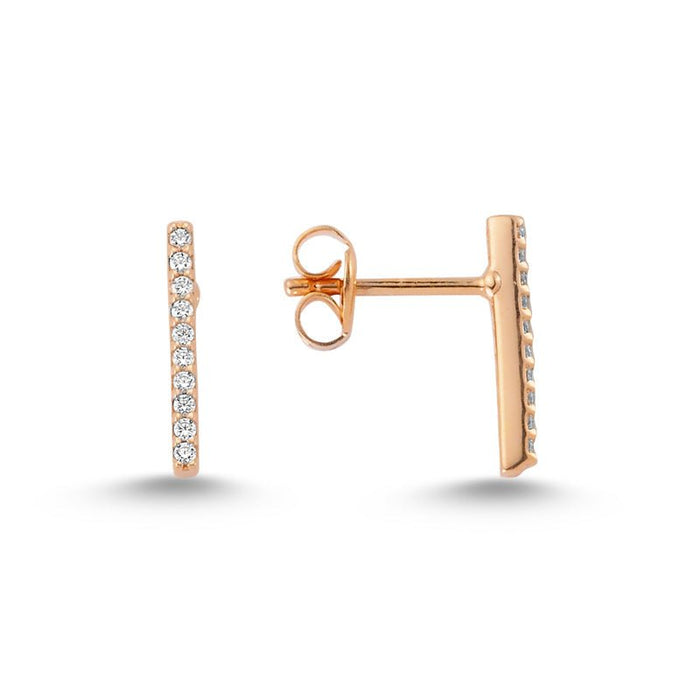
Dainty Silver Simple Bar Studs Earring with Crystals
- Regular
- $45.00
- Sale
- $45.00
- Regular
-
- Unit Price
- per
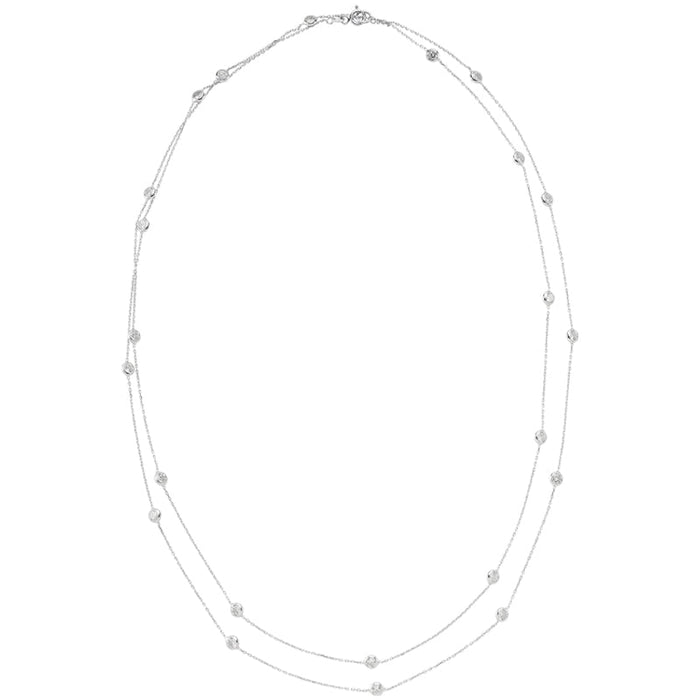
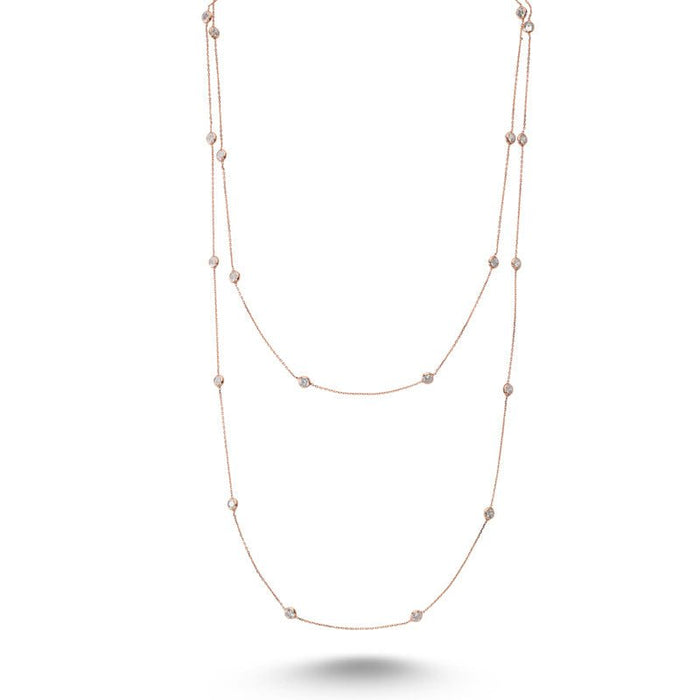
Long Mimosa Silver Diamonds By the Yard Necklace
- Regular
- $98.00
- Sale
- $98.00
- Regular
-
- Unit Price
- per
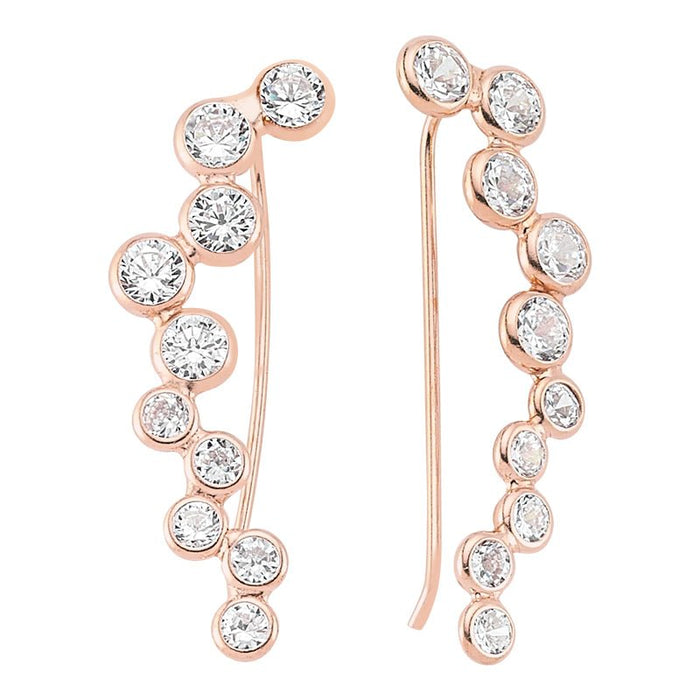
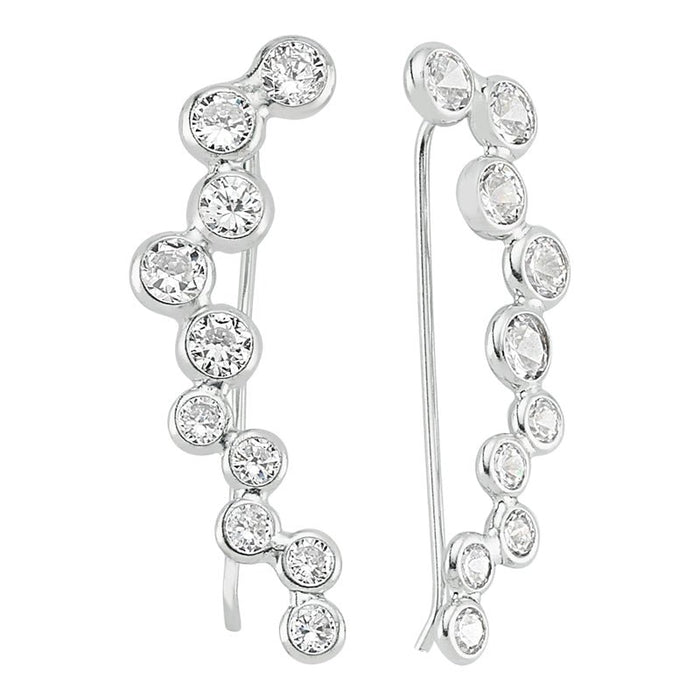
Silver Diamond Bubble Ear Cuffs & Climber Earrings
- Regular
- $75.00
- Sale
- $75.00
- Regular
-
- Unit Price
- per
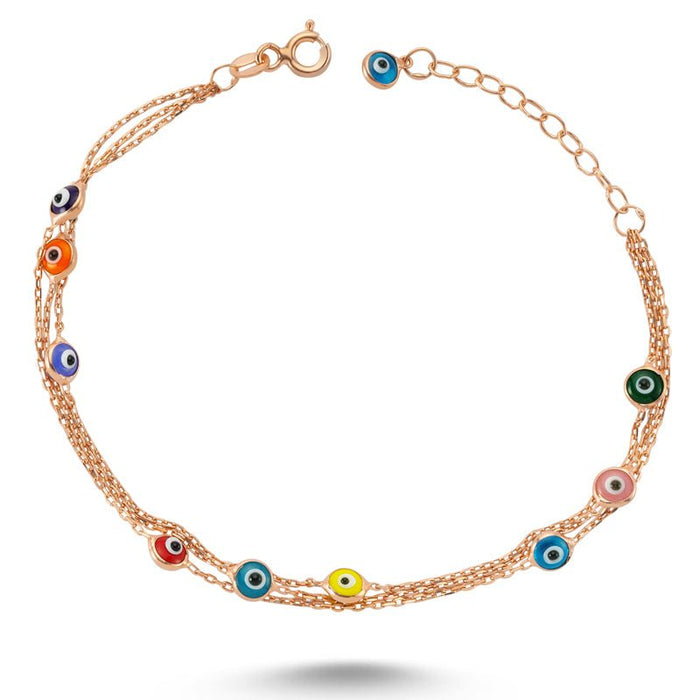
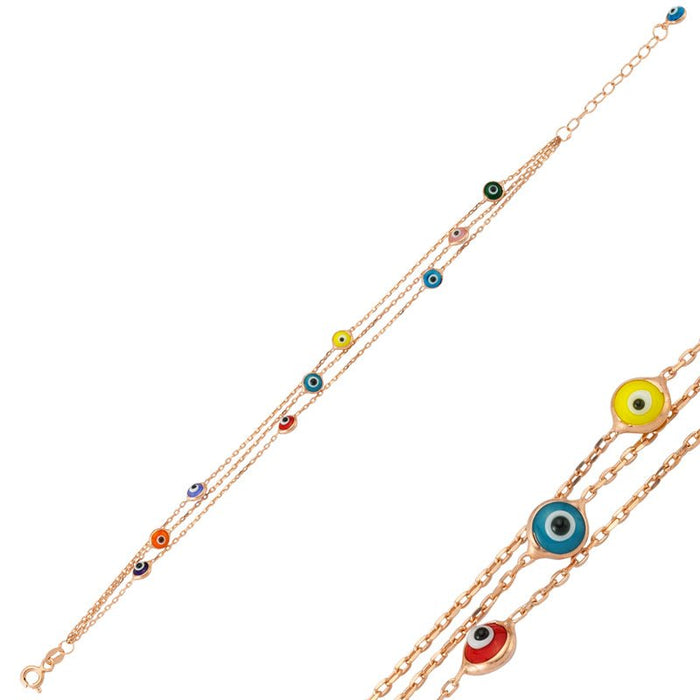
Colorful Evil Eye Rose Gold Chain Bracelet
- Regular
- $74.00
- Sale
- $74.00
- Regular
-
- Unit Price
- per

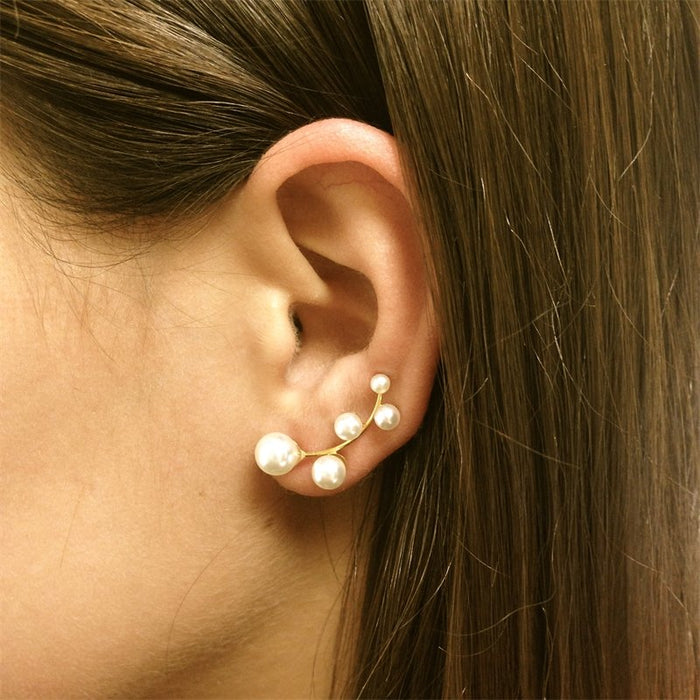
Brass Pearl Ear Cuffs & Climber Earrings in Gold
- Regular
- $28.00
- Sale
- $28.00
- Regular
-
$38.00
- Unit Price
- per
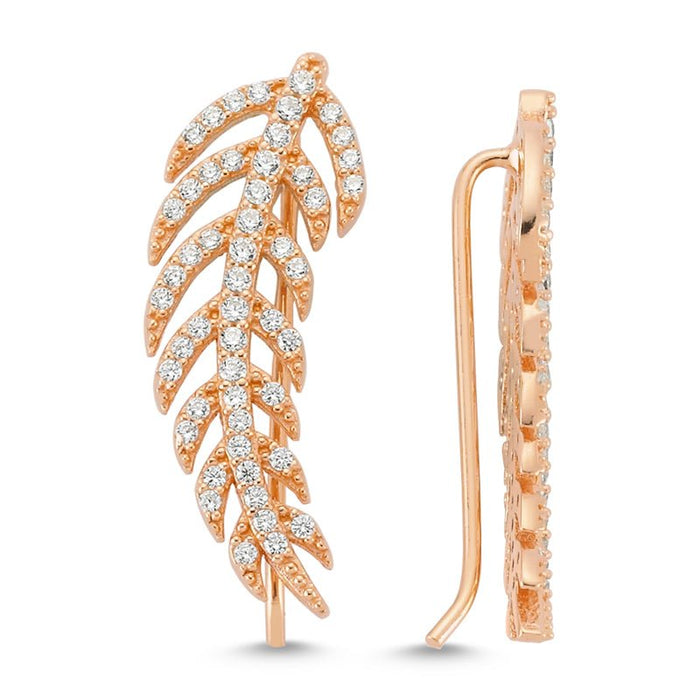
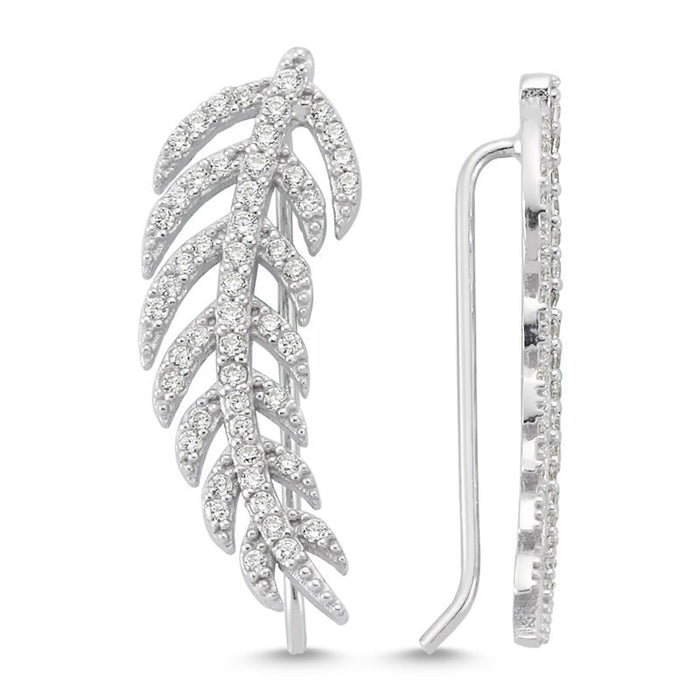
Dainty Silver Feather Ear Cuffs & Climber Earrings
- Regular
- $75.00
- Sale
- $75.00
- Regular
-
- Unit Price
- per
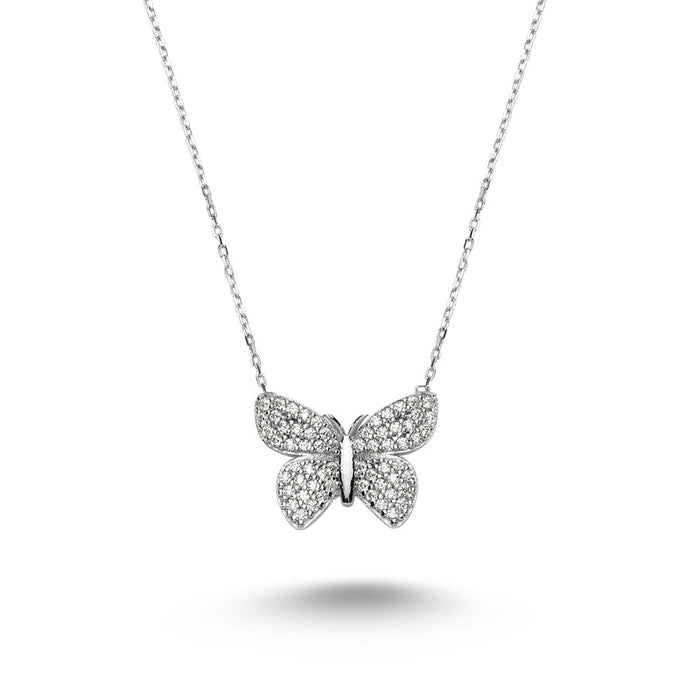
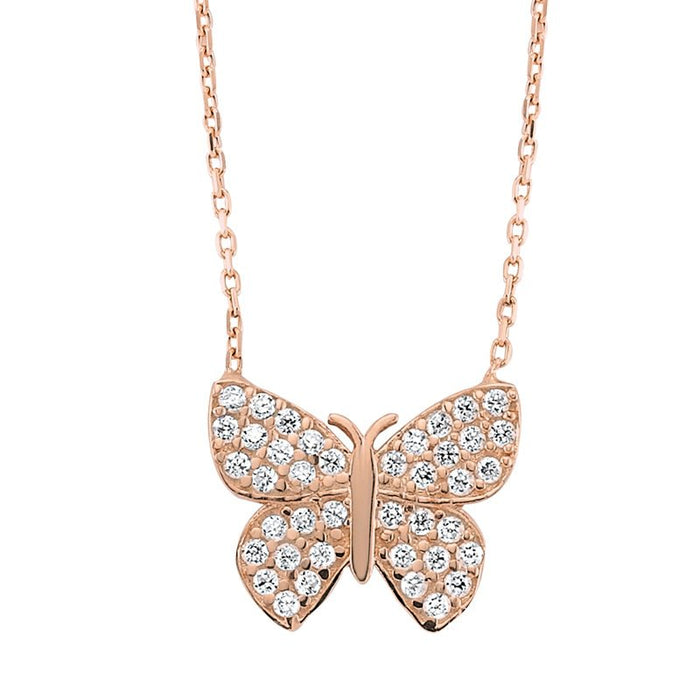
White Butterfly Silver Necklace With Pendant
- Regular
- $62.00
- Sale
- $62.00
- Regular
-
- Unit Price
- per
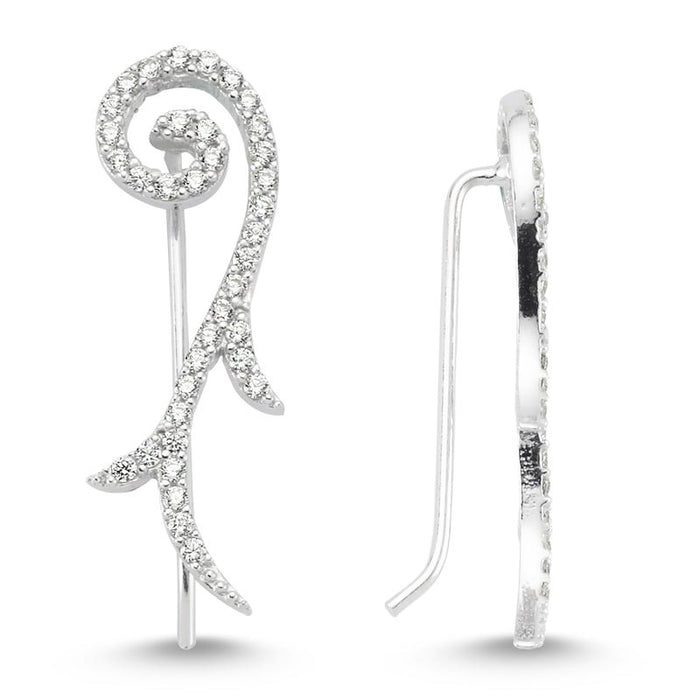
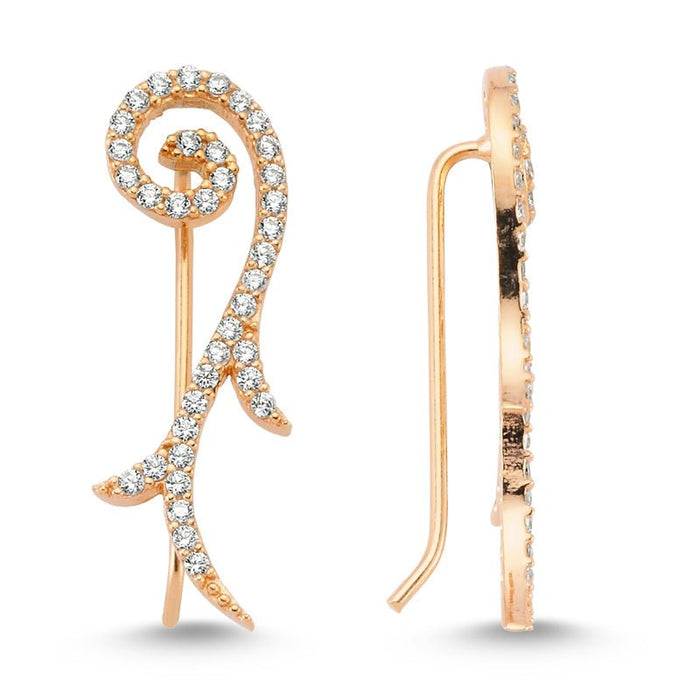
Dainty Silver Branch Ear Cuffs & Climber Earrings
- Regular
- $75.00
- Sale
- $75.00
- Regular
-
- Unit Price
- per
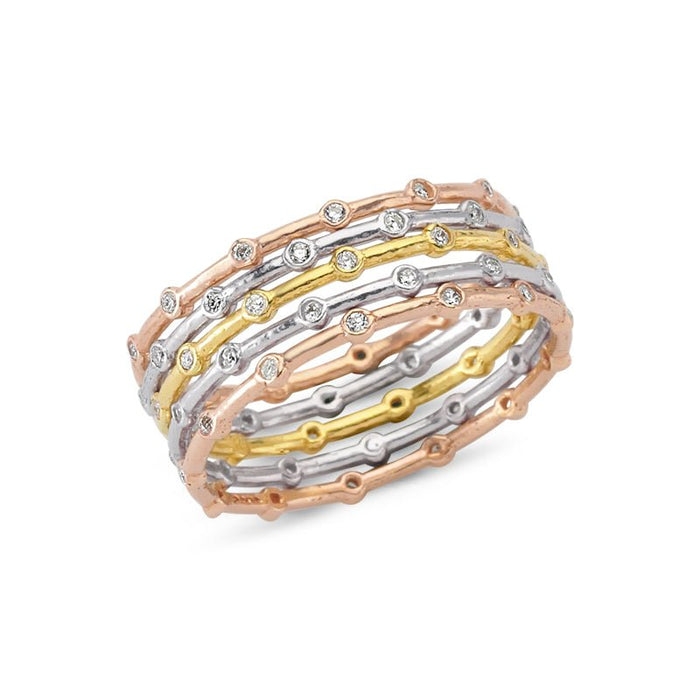
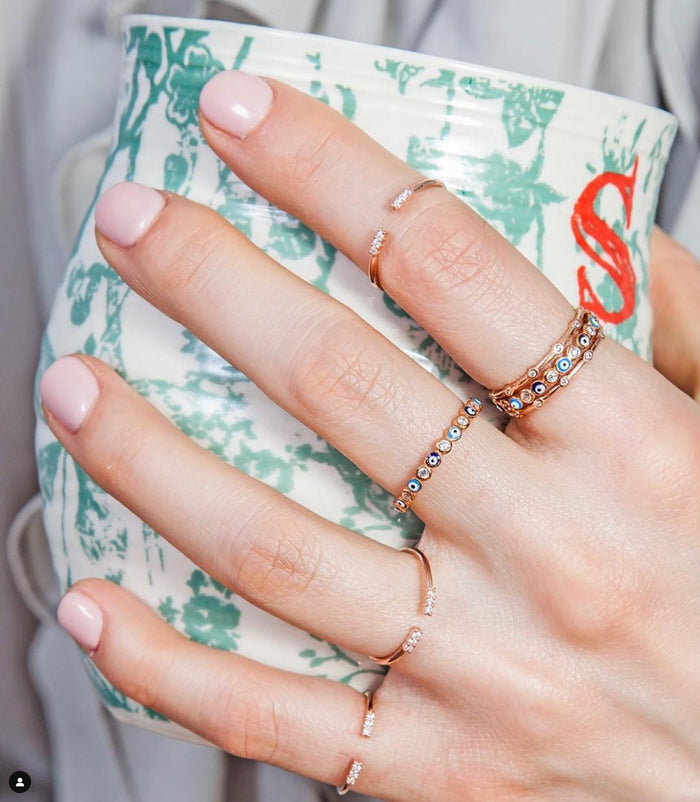
Dainty Silver Band Rings-Stack of 5 Set with Crystals
- Regular
- $99.00
- Sale
- $99.00
- Regular
-
- Unit Price
- per
0 comments