

- Precio normal
- $19.99
- Precio de venta
- $19.99
- Precio normal
- $19.99
Agotado
- Precio unitario
- por
Los gastos de envío se calculan en la pantalla de pagos.

Ear cuffs are the easiest earrings you will ever put on: small open hoops that clip gently onto the edge of your ear, no piercing required. You slide the cuff onto the thinnest part of your cartilage, nudge it down to where the ear thickens, and it stays put all day. This guide covers exactly how to wear them, where to place them, and how to stack them like you have been doing it for years.
Last updated: August 24, 2026
An ear cuff is an open, C-shaped piece of jewelry that wraps around the outer edge of your ear and holds on with light tension. Unlike studs or hoops, it does not go through a hole, so anyone can wear one, pierced or not.
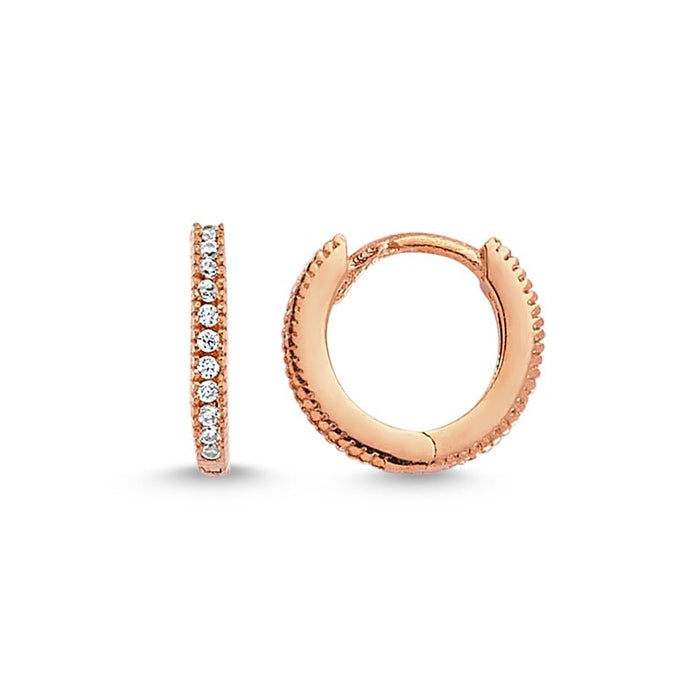
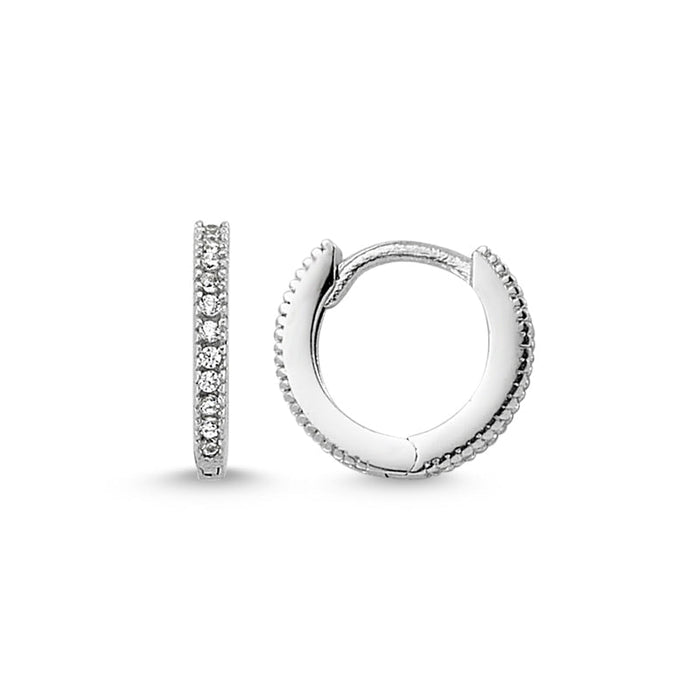
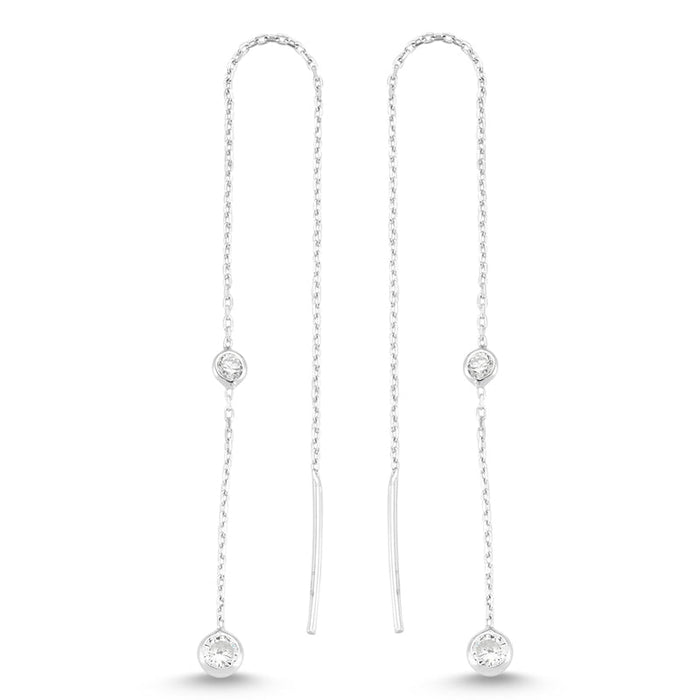
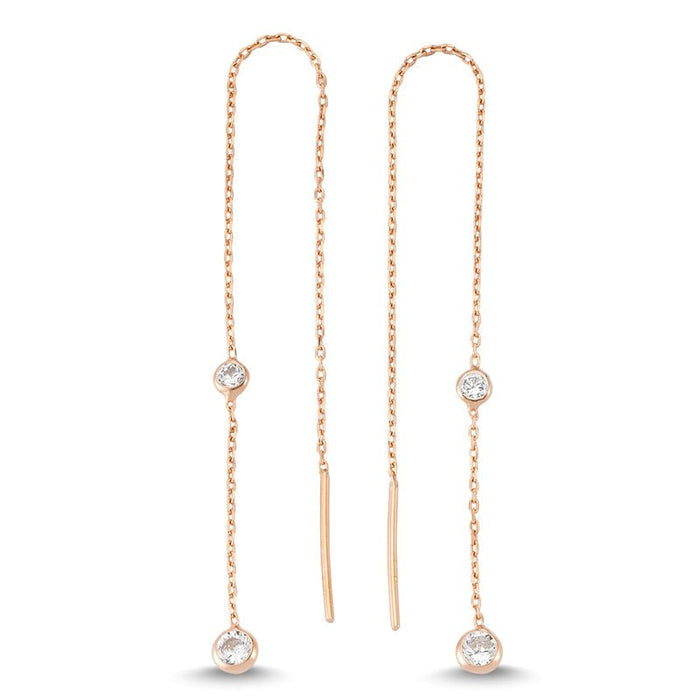
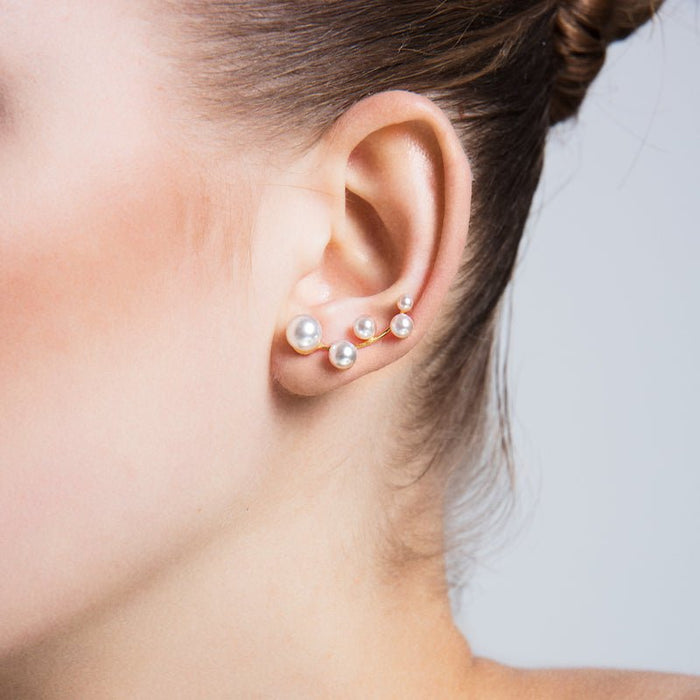
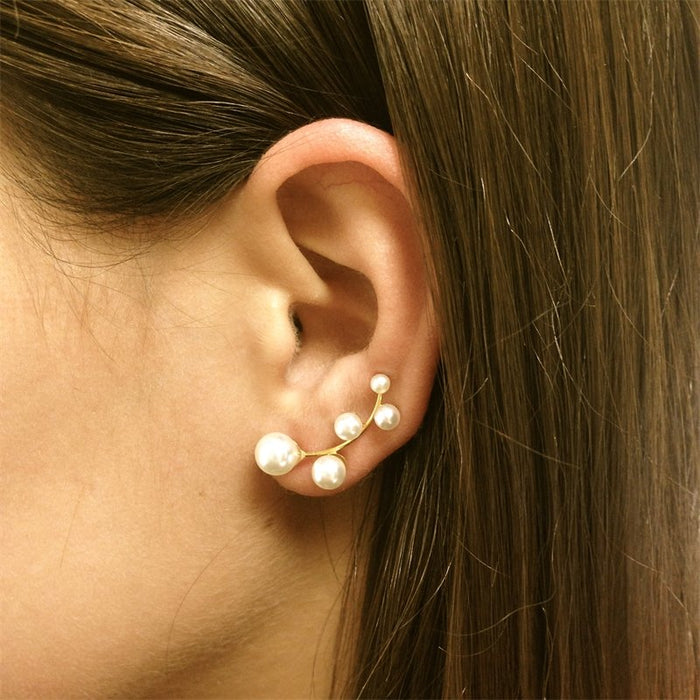
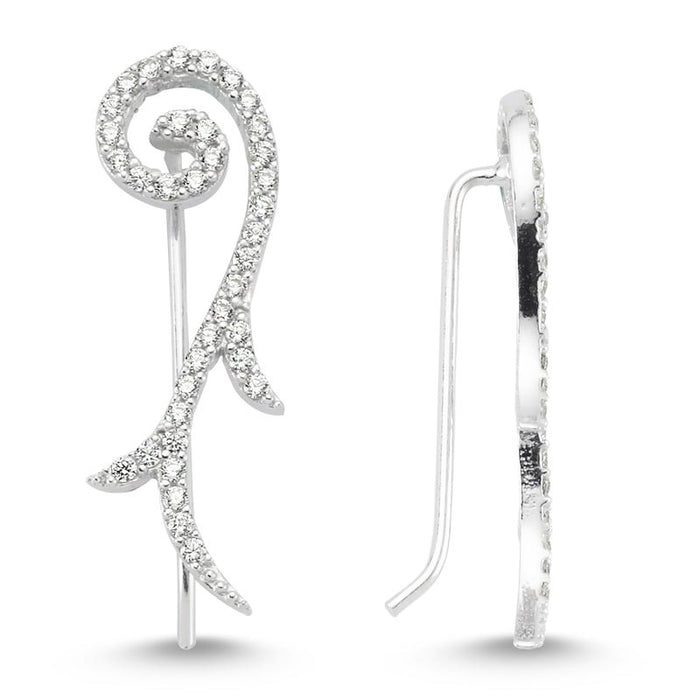
Ear cuffs come in a few forms. A simple band cuff hugs the cartilage like a tiny ring. A climber-style cuff follows the curve of the ear upward. A cuff with a chain, sometimes called a threader cuff, connects the cartilage cuff to a lobe earring with a fine drape of chain, like our Mia threader ear cuff with chain. A behind-the-ear wrap, like the Magnolia ear wrap, curves around the back of the ear and peeks out on both sides.
No. A standard ear cuff needs no piercing at all, which is what makes it such a good entry point into the stacked-ear look. It simply grips the edge of your cartilage.
One honest note: many ear cuff sets pair a no-piercing cuff with a climber or threader earring, and those companion pieces do need a normal lobe piercing. The cuff itself never does. If you are unpierced, wear the cuff alone; it looks intentional and complete by itself.
Taking it off is the reverse: slide it back to the thin edge and lift it away. Avoid pulling it straight off the side, which bends the cuff open over time.
There is no wrong answer, but three placements work for almost everyone:
The stacked ear works on one simple rule: vary the weight, not the style. Keep every piece in the same finish family and let one piece be the focal point.
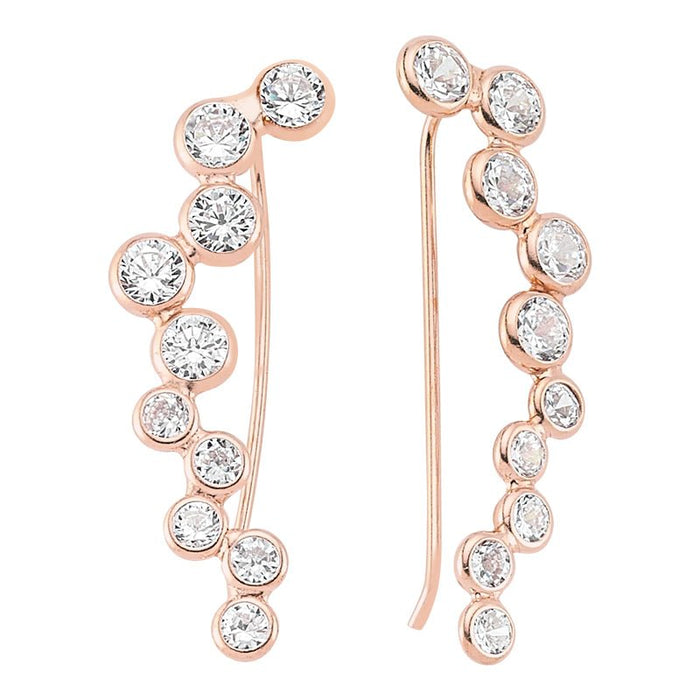
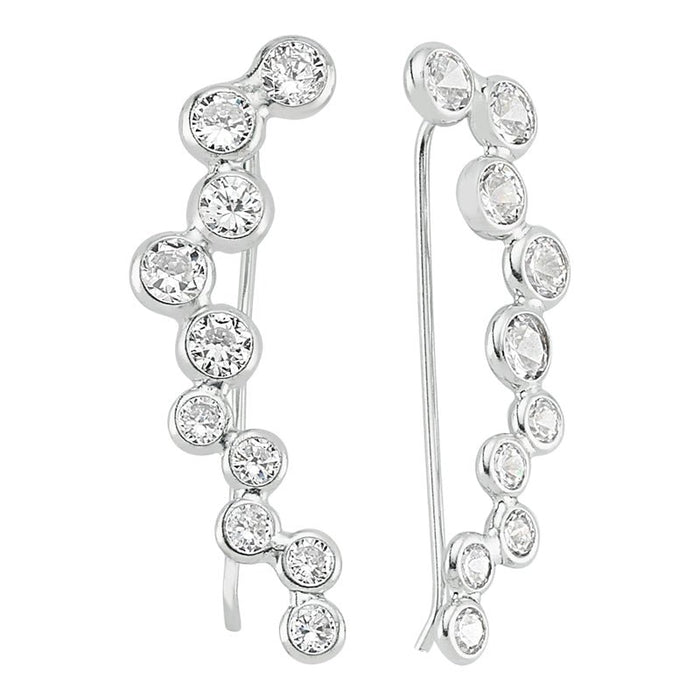
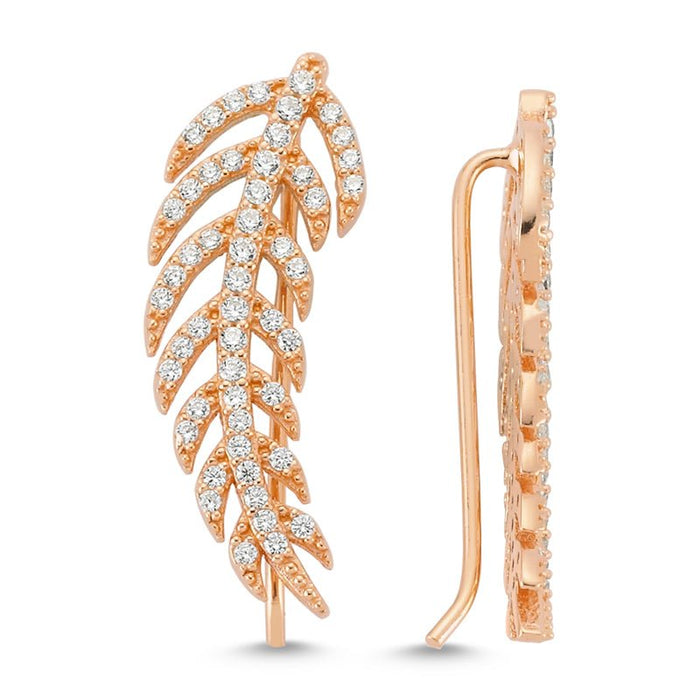
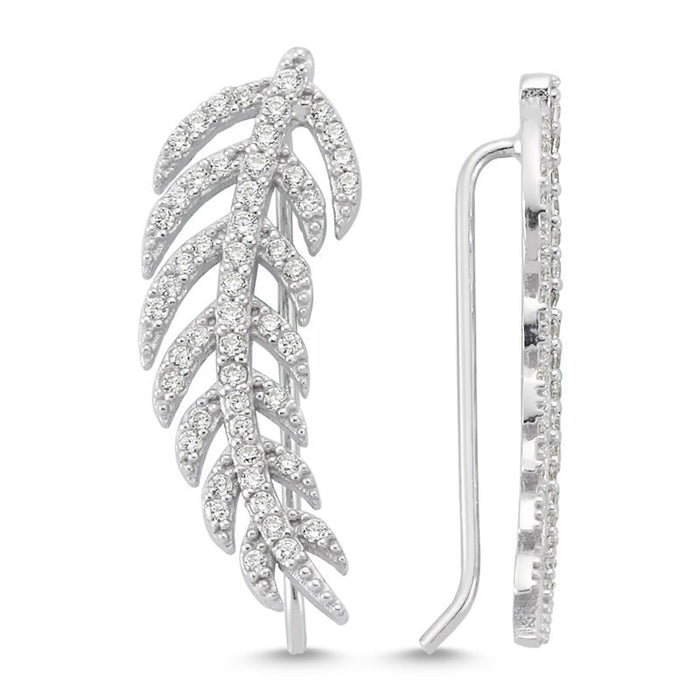
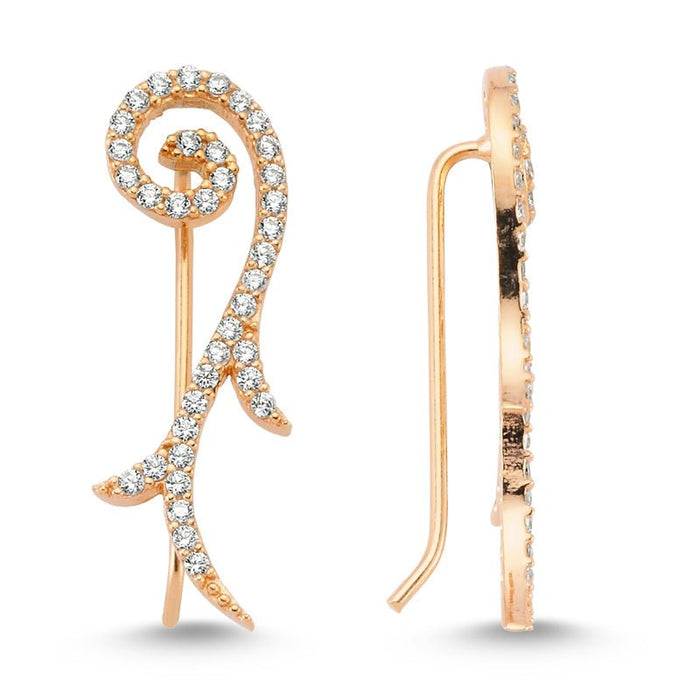
A sparkly climber cuff, like our feather ear cuffs and climber earrings, is designed to be that focal piece: wear it alone on one ear and keep the other ear minimal.
| What to look for | Why it matters |
|---|---|
| 925 sterling silver base | A solid sterling cuff holds its shape and its grip through daily wear, and it is a well-tolerated metal for most skin. |
| Quality plating | Cuffs rub against skin and hair constantly. Amorium pieces use micro-plating, which lasts significantly longer than standard plating. |
| Smooth inner edge | The inside surface sits directly on cartilage. A polished inner edge is the difference between forgetting the cuff is there and counting the minutes. |
| Slim profile for stacking | Bands around 2-3mm stack cleanly. Save wide or stone-set cuffs for solo wear. |
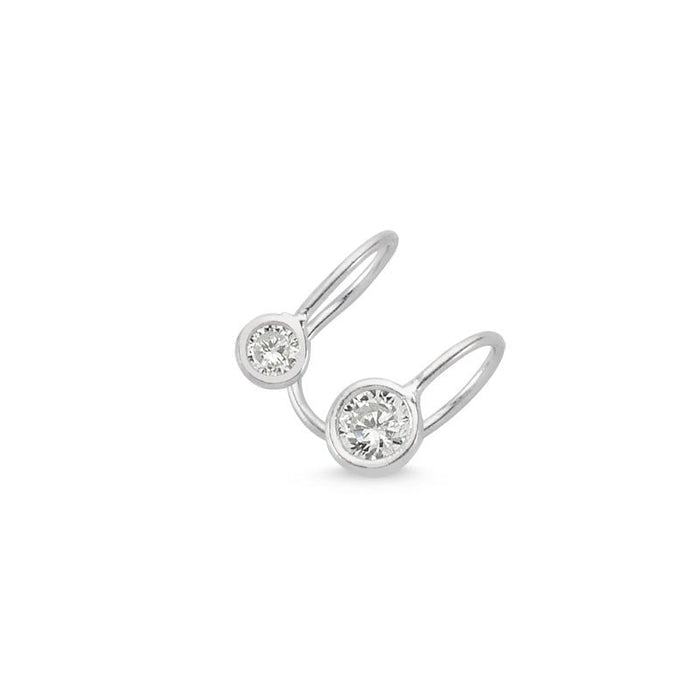
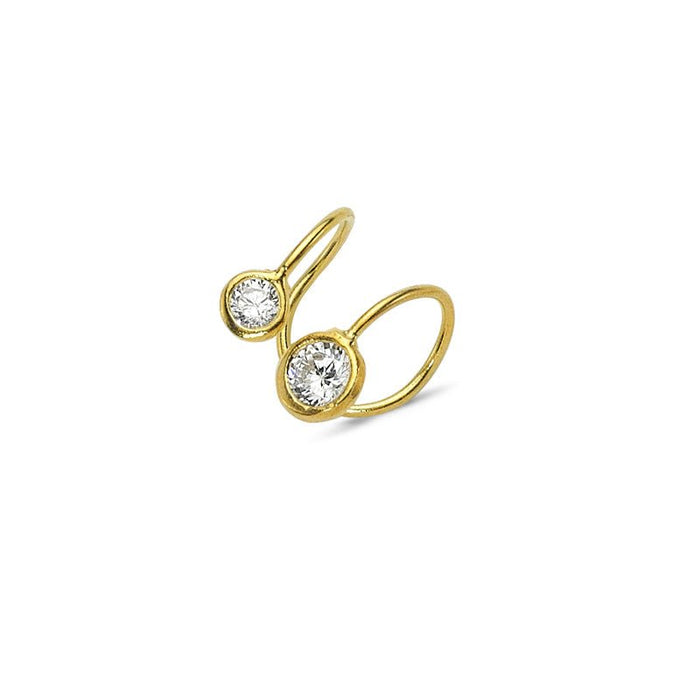
Most of our ear cuffs sit between $28 and $88, so building a two-cuff stack costs less than a single fine-jewelry earring. Browse the full ear cuff collection to see band cuffs, climbers, and chain styles side by side, or start with a simple mini bezel ear cuff if you want one piece that goes with everything.
A properly placed cuff should stay on through a normal day, including phone calls and pulling a sweater over your head. If yours keeps slipping, the fix is almost always placement: move it to a slightly thicker section of cartilage, or tighten the opening a millimeter. Long hair is the main culprit for snagging, so slide the cuff off before brushing.
They should not. An ear cuff rests on the outside of the cartilage with light tension, so a well-fitted cuff feels like nothing after the first minute. If a cuff aches or leaves a deep mark, it is gripping too hard: gently open the gap a tiny amount and reposition it on a thinner part of the ear.
Yes. That is the entire idea of an ear cuff: it clips onto the edge of the ear rather than passing through a hole. Cuffs are the standard way to get the multi-earring look without commitment. Only companion pieces like climbers, studs, and threaders require a pierced lobe.
Either one. There is no rule or hidden meaning attached to the side. Most people wear a cuff on the side they part their hair away from, so the jewelry actually shows. If you stack multiple pieces, keeping the whole stack on one ear and leaving the other minimal looks the most deliberate.
Place it where the cartilage naturally thickens, about halfway up the outer edge, rather than on the thin rim at the very top. If it still slides, squeeze the two ends of the cuff slightly closer together. The grip should be snug enough to resist a light tug but never tight enough to pinch.
Sterling silver is one of the most widely tolerated jewelry metals, which matters for cuffs because the metal sits directly on your skin all day. Amorium ear cuffs are handmade in 925 sterling silver with micro-plated finishes in gold, rose gold, and rhodium, and every piece ships free from New York with free returns if the fit is not right.
Take it off first. Sleeping on a cuff presses it into the cartilage, which is uncomfortable and can slowly bend the cuff out of shape so it grips less well. Ear cuffs take two seconds to put on in the morning, so there is no upside to wearing them overnight.

0 comentarios